Why bother growing blackcurrants?
Because they're made for this climate. While half the fruit in the seed catalogues sulks through a British summer, blackcurrants positively enjoy the cool, damp conditions that make the rest of us reach for a jumper in July. They're properly hardy, they crop like they mean it, and a well-kept bush stays productive for 10 to 15 years. Plant one now and it could still be feeding you when the children have left home.
Then there's the nutrition. Blackcurrants are one of the richest natural sources of vitamin C going. According to the World Cancer Research Fund, they contain almost four times as much vitamin C as oranges, which is a fair chunk of the reason wartime Britain planted them everywhere and turned the crop into Ribena. The flavour is unmistakable too: deep, tart, a little musky, and it holds up beautifully in jam, cordial and puddings where a softer berry would vanish.
Plant one now and it could still be feeding you when the children have left home.
They're also forgiving. You don't need a sheltered spot or a heated anything. A patch of decent soil, a bit of sun and one annual prune is honestly most of it.
Where and when should you plant them?
Aim for the dormant season. Bare-root bushes are sold from October to March, and that whole window is fair game for planting, as long as the ground isn't frozen solid or sitting under water. Autumn planting is our favourite because the roots get settled before spring, so the bush hits the ground running. Bare-root is the cheaper way in, and it establishes just as well as a pot-grown plant, so don't feel you need to pay more for a container.
For the spot itself, blackcurrants fruit best in full sun but will still do perfectly well in light shade, which makes them handy for that slightly less-than-perfect corner. What they really care about is the soil. They want rich, moisture-retentive ground that still drains, so dig in plenty of well-rotted manure or garden compost before planting. They're greedy feeders with a taste for water, and a poor, dry, sandy spot is the one place they'll disappoint you.
Give each bush room. Space them 1.5-1.8m (5-6ft) apart, using the wider end of that range for vigorous varieties, so air moves freely between them and you can actually get in to pick.
How deep do you plant a blackcurrant? (the bit everyone gets wrong)
Here's the rule that trips people up. With almost every other fruit tree and bush, you plant at the same depth it grew before, matching the old soil line. Blackcurrants grown as a bush are the exception.
You plant them deep. The RHS advises setting bare-root bushes about 5cm (2in) deeper than they were previously growing, which buries the lowest buds, roughly two of them, under the soil. Those buried buds then break and send up a flush of new shoots from right at the base. Because the fruit comes on young wood, more shoots from the base means more fruiting wood and a bushier, heavier-cropping plant. Plant it at the old level and you'll get a leggy bush on a single stem that never really fills out.
After planting, there's one more counter-intuitive job. Cut every stem down to one or two buds above ground level. It's brutal to look at on a plant you've just bought, but it forces strong new growth from the base in year one instead of a weak crop up top, and it sets the bush up for years of good yields.
How do you prune an established bush?
Once you understand that blackcurrants fruit best on young wood, pruning stops being mysterious. It's simply a way of clearing out the tired old stems so the bush keeps making fresh ones.
The fruit forms on strong growth made in the previous few years, so one and two-year-old stems are your workers. Older wood cropped well once and now just shades the middle and takes up space. From about the fourth year, prune in winter while the bush is dormant. Each year, cut out up to a third of the oldest stems right down to the base.
Telling old from young is easier than it sounds: the oldest wood is the darkest, almost black, and often the thickest. The young stems are paler, sometimes buff or reddish. Take out the darkest third at ground level, leave the rest, and you've done it. Over a three-year cycle the whole bush renews itself, and you never lose a season's fruit.
Feeding, mulching and watering
Blackcurrants are hungry, and it shows in the crop. They like plenty of nitrogen for leafy growth and potash for good fruiting, so a generous spring feed pays off. The simplest, most homesteader-friendly approach is a thick annual mulch of well-rotted manure or compost around the base, which feeds, holds moisture and keeps weeds down all at once. The RHS notes that bushes in regularly mulched soil often need no extra feeding at all, so that mulch is doing several jobs.
On water, the priority is the young plants. Water newly planted bushes regularly through dry spells for their first couple of years while the roots establish. One word of caution: ease off the heavy watering just as the fruit is ripening, because a sudden drink can split the skins.
When and how do you harvest blackcurrants?
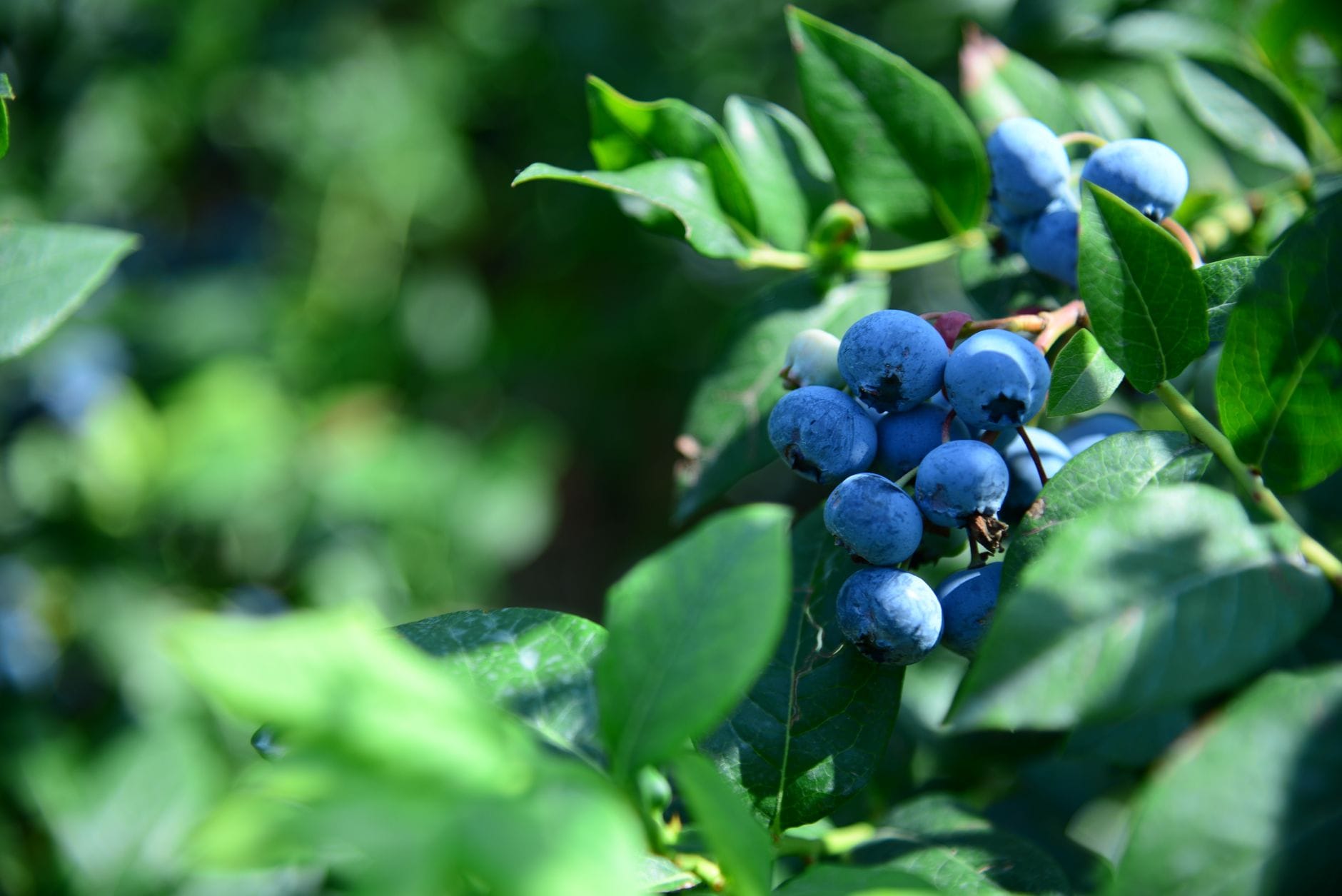
Picking usually starts from mid-summer, often July into August depending on the variety and your part of the country. The berries are ready when they've turned properly black, glossy and slightly soft, and they taste sweeter if you leave them a few days after they first colour up.
- 1
Wait for a dry day
Pick when the fruit is dry, not straight after rain. Damp berries don't store or freeze as well and are more prone to going mouldy.
- 2
Pick by the strig
Blackcurrants hang in little trusses called strigs. On modern varieties the whole strig ripens together, so snip or pull off the entire cluster rather than fiddling with individual berries.
- 3
Strip the berries later
Run a fork down each strig over a bowl to comb off the currants, or simply pull them off by hand. A frozen strig strips even more easily, so you can freeze whole and separate afterwards.
- 4
Use, freeze or preserve promptly
Fresh blackcurrants keep only a few days in the fridge. For a glut, freeze them on a tray then bag them up, or turn them straight into jam or cordial.
A healthy mature bush can give you several kilos in a good year, which is a lot of pudding from one plant.
What's big bud mite, and why should you worry?
This is the one pest and disease combination worth taking seriously, because it's sneaky and it's the usual reason a bush gets dug out early.
Big bud mite is a microscopic creature, about 0.25mm long, that lives inside the buds. You'll spot the damage in winter: affected buds swell into fat, round balls instead of the normal slim, pointed shape. That on its own weakens the bush, but the real problem is what the mite carries. It spreads reversion, a virus-like disease that quietly strips a bush of its ability to crop. A reverted plant may look reasonably healthy but the yields fall away, and there's no cure.
The other reliable thief is birds. Blackbirds in particular will clear a ripening bush in a morning, so drape netting or use a fruit cage once the berries start to colour. Beyond that, blackcurrants are tough and largely look after themselves.
What can you actually make with them?
This is where the tartness earns its keep. Blackcurrant jam is a classic first preserve because the fruit is naturally high in pectin, so it sets easily without much fuss. Cordial is the other obvious one, the homemade cousin of Ribena, brilliant diluted with sparkling water in summer or with hot water in winter. Add a handful of berries to a summer pudding, fold them through crumbles and pies, or simmer them into a dark, glossy sauce for ice cream and pancakes.
And because they freeze so well, you're never under pressure. Bag up the glut, and you can make jam in October when the garden has gone quiet and you've time for a warm kitchen.
Related guides and tools
Blackcurrants are the gateway soft fruit, and the same beds and habits suit their cousins. If you're planning a fruit patch, these will help:
- Get the full picture of what thrives here in our growing fruit in the UK hub.
- Growing gooseberries in the UK covers the prickly cousin that shares much of the same care.
- Growing raspberries in the UK is the other easy heavy-cropper for a British garden.
- Ready to preserve the glut? Start with making jam in the UK.
- Not sure when to get your bushes in the ground? Check our planting calendar tool for the right bare-root planting window in your area.
Frequently asked questions
Sources
- Blackcurrants: grow your own , RHS
- Blackcurrant big bud mite , RHS
- What food is highest in vitamin C? , World Cancer Research Fund
Kit for this job (Ad)

gonicc 8" Professional Secateurs Sharp Bypass Pruning Shears (GPPS-1002), Tree Trimmers Secateurs,Hand Pruner, Garden Pruner, Gardening Scissors, Bonsai Tools | Arthritis Friendly Garden Scissors & Plant Clippers, Sap Groove Design, Effortlessly Prunes 3/4" Branches.
Check price on Amazon →
GRÜNTEK Professional Bypass Secateurs 20 mm Cut – SK5 Teflon-Coated Blade 48 mm – Ergonomic Garden Pruning Shears | Garden Secateurs Heavy Duty | Precise, Clean Cutting
Check price on Amazon →
Spear & Jackson CUTTINGSET3K Kew Gardens Collection Adjustable Width Bypass & Anvil Secateur Set
Check price on Amazon →
Garden Netting for Plants Fruit Veg Patch Grass Seeds, Anti Bird Netting Kit with Plastic Ground Pegs, Pond Netting Cover, Plant Netting Protection Garden Mesh Fence (Green, 4x5M)
Check price on Amazon →We may earn a small commission, at no cost to you. We only list kit we'd use.
Written by
UK Homesteading Team
Editorial team
The UK Homesteading editorial team, offering UK-specific, evidence-led guidance on growing, keeping, preserving and the law.