Crab apple jelly is one of the most rewarding preserves to make, and one of the easiest, because the fruit does the hard work for you. Crab apples are so high in natural pectin and acid that you need nothing but apples, water and sugar to get a clear, amber jelly with a lovely tart edge.
The method has just two golden rules: measure the strained juice before you add sugar, and never squeeze the jelly bag if you want it clear. Get those right and it is little more than boil, strain and set.
How to Make Crab Apple Jelly: A UK Preserving Recipe
Makes Varies with the fruit; about 3 to 4 small jars from 1kg crab apples. Allow an overnight drip for the juice
Makes
Varies with the fruit; about 3 to 4 small jars from 1kg crab apples. Allow an overnight drip for the juice
Ingredients
For the jelly
Method
- 1
Wash the crab apples and cut out any bruised or damaged bits, but leave the skins, cores and pips on, as they hold much of the pectin. Roughly chop the larger ones.
- 2
Put the fruit in a large pan with the water, and the lemon juice if using, and bring to a simmer.
- 3
Simmer gently for 25 to 40 minutes, until the apples are completely soft and pulpy, mashing them a little towards the end.
- 4
Ladle the pulp into a scalded jelly bag or muslin set over a bowl, and leave it to drip through on its own, ideally overnight. Do not squeeze it, or the jelly turns cloudy.
- 5
Measure the clear strained juice, pour it into a clean pan, and add 450g sugar for every 600ml of juice.
- 6
Heat gently, stirring, until every grain of sugar has dissolved before it comes to the boil. This stops crystals forming later.
- 7
Now bring it to a hard, rolling boil and cook to setting point, 104 to 105°C on a thermometer, or until it passes the wrinkle test on a cold saucer.
- 8
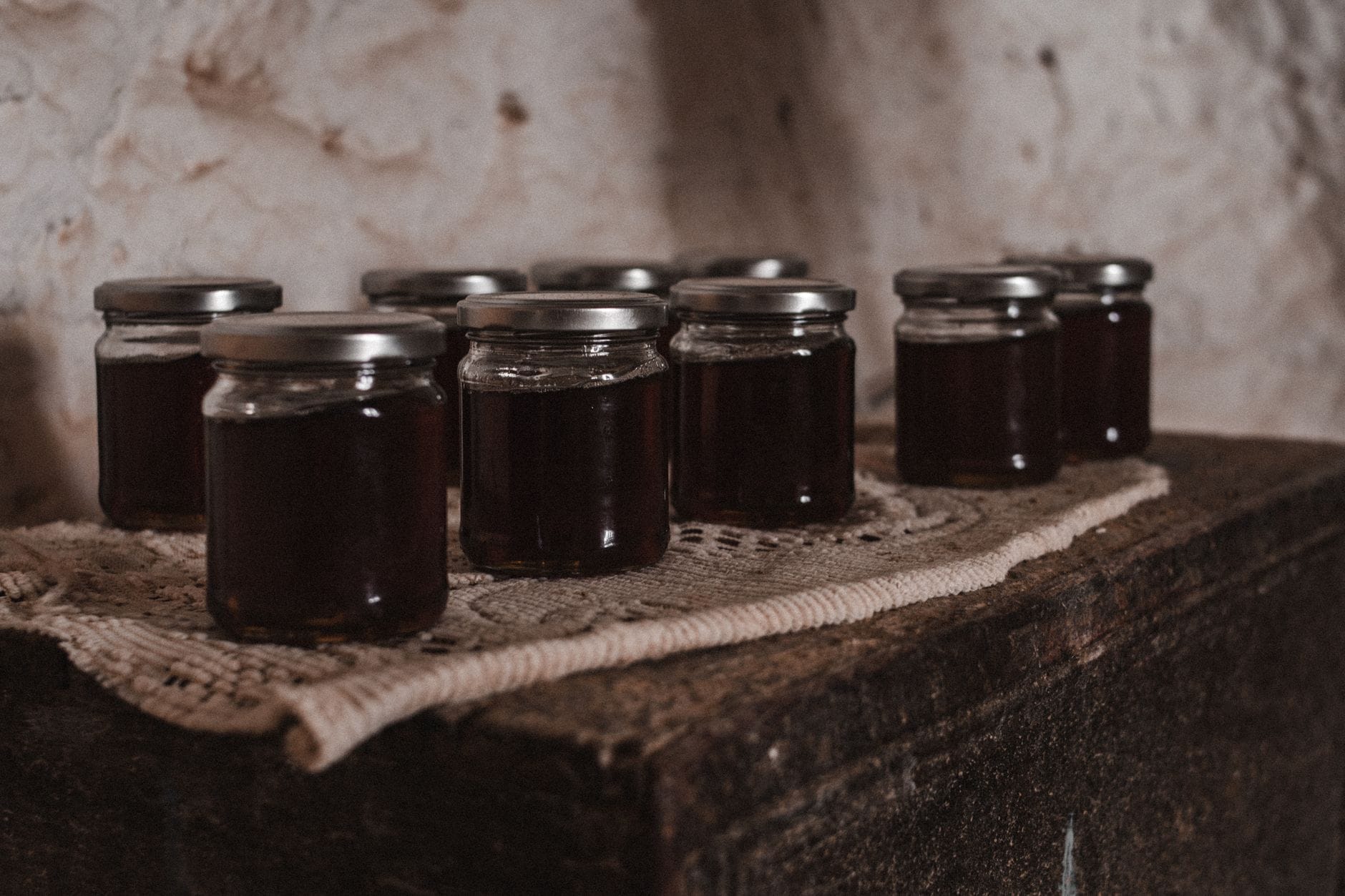
Take it off the heat, skim off any froth, then pour into hot sterilised jars, seal, and label.
Cook’s notes
- Timings: about 45 minutes of active cooking, plus an overnight drip through the jelly bag before you can finish it.
- The golden ratio: always measure the juice, then add 450g sugar per 600ml. Yield depends entirely on how juicy your fruit is, so weigh sugar to juice, never to the starting apples.
- Don't squeeze the bag. A slow, unforced drip gives a clear, sparkling jelly. Squeezing pushes pulp through and clouds it. If you want a rougher jelly and don't mind the cloud, you can press it, but the classic result comes from patience.
- Don't over-boil once you hit setting point. Boiling too long past 105°C breaks down the pectin and darkens the jelly, giving a stiff, over-caramelised set.
- Sterilise the jars: wash in hot soapy water, rinse, and dry in a low oven at 120°C for 15 minutes. Fill them while both jars and jelly are hot.
- Flavour it if you like. A sprig of rosemary, a small dried chilli, a stick of cinnamon or a handful of blackberries added while the fruit cooks all work beautifully.
What you’ll need
- Large preserving pan or heavy saucepan
- Jelly bag or muslin, and a stand or upturned stool, for the overnight drip
- Large jug for measuring the juice
- Sugar thermometer, helpful but the wrinkle test works too
- Sterilised jars with lids
Troubleshooting
The jelly hasn't set.
It didn't reach setting point, or the fruit was low in pectin. Tip it back in the pan, add the juice of a lemon, and boil again to 104 to 105°C, testing on a cold saucer.
It set rock hard and dark.
It was boiled too long past setting point, which breaks the pectin and caramelises the sugar. Next time stop the moment it passes the wrinkle test.
The jelly is cloudy.
The bag was squeezed or the pulp was disturbed. You can't clear it once bottled, but it will still taste good. Next time let it drip untouched overnight.
There are sugar crystals in the jar.
The sugar wasn't fully dissolved before boiling. Always stir over a gentle heat until it has completely dissolved before bringing it to a rolling boil.
There's a lot of froth and scum on top.
This is normal. Skim it off with a spoon after taking the pan off the heat, or stir in a small knob of butter to disperse it before potting.
More about crab apple jelly
Why crab apples set so well. Crab apples are small, hard and sharp, and they are among the highest-pectin fruits in the British hedgerow. Pectin plus acid plus sugar is what makes a jelly set, and crab apples bring the first two in abundance, so you need add nothing but sugar. That is why they are the classic base for a jelly, and why they are often blended with lower-pectin fruits to help those set too.
When and where to pick. Crab apples ripen from September into October. They are ready when the pips inside have turned brown. You'll find the trees in old hedgerows, on commons and along field edges, and windfalls are perfect for jelly. Pick from clean spots away from busy roads.
Skins, cores and pips stay in. Much of the pectin sits in the cores, pips and skins, so the fruit goes in whole or roughly chopped, never peeled or cored. It is all strained out later through the jelly bag, so nothing is wasted and the set is as strong as it can be.
Measuring by juice, not fruit. Because you can't know in advance how much juice a batch of fruit will give, the sugar is always measured against the strained juice, at 450g per 600ml. This is the single most important number in the recipe and the reason your jelly sets reliably every time.
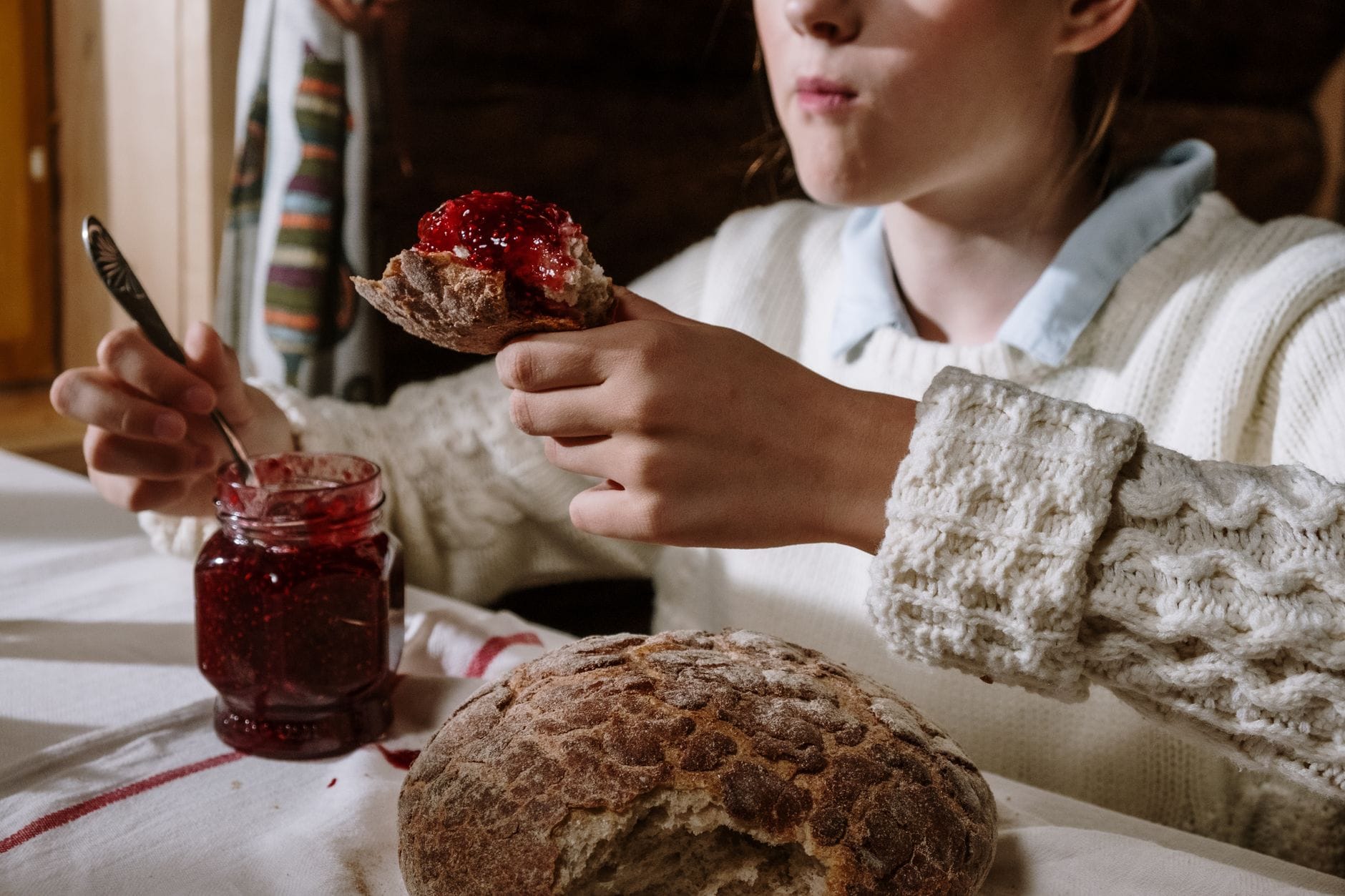
How to use it and how it keeps. Crab apple jelly is a fine partner to cheese, and it is lovely alongside roast lamb, pork or game, or simply on hot buttered toast. Sealed in sterilised jars it keeps for six to twelve months in a cool, dark cupboard. Once opened, keep it in the fridge.
Getting a clear set: the two rules
Two habits separate a bright, clear jelly from a dull, sloppy one. First, never squeeze the jelly bag. However tempting it is to wring out the last drops, squeezing forces cloudy pulp through the cloth and muddies the whole batch. Hang the bag and let gravity do the work, overnight if you can. Second, respect setting point and don't chase it too far. Pectin sets the jelly at around 104 to 105°C, but boil well past that and the pectin breaks down, the sugar caramelises, and you end up with a stiff, dark, over-cooked set instead of a soft, glossy one. A thermometer makes this easy, but the old wrinkle test, a blob of jelly on a cold saucer that wrinkles when you push it, works just as well. Hit setting point, take it straight off the heat, and pot it up.
Frequently asked questions
Kit for this job (Ad)

Tala Jam Straining Set Reusable Nylon Straining Bag with Sturdy Chrome Stand for Jam, Jelly & Preserves, Ideal for Removing Seeds, Pips & Pulp, Perfect for Homemade Seedless Jam Making
Check price on Amazon →
Nut Milk Bag Strainer with Stand, Strainers Fine Mesh Bags, Jelly strainer, Reusable Cheese Cloth Bag for Straining for Filter Juices, NutMilk, Cheese, Honey, Butter, S
Check price on Amazon →We may earn a small commission, at no cost to you. We only list kit we'd use.
Written by
UK Homesteading Team
Editorial team
The UK Homesteading editorial team, offering UK-specific, evidence-led guidance on growing, keeping, preserving and the law.