Plum jam is the classic way to bank a late-summer glut, and one of the most rewarding. Plums are full of natural pectin and acid, so they set well with just fruit and sugar and turn a deep, glossy red in the pan.
The one thing to get right is softening the skins before the sugar goes in, or they stay tough. The recipe is below, with a damson variation and more on why plums are so good for jam underneath it.
How to Make Plum Jam: A UK Recipe
Makes About 5 × 340g jars
Prep
20 min
Cook
35 min
Total
55 min
Makes
About 5 × 340g jars
Ingredients
Fruit & liquid
To set
Method
- 1
Put a couple of saucers in the freezer and sterilise your jars and lids in a low oven.
- 2
Halve and stone the plums, chopping any large ones, and tip them into a wide preserving pan with the water and lemon juice.
- 3
Simmer gently for 10 to 15 minutes, stirring now and then, until the skins are completely soft and the fruit is pulpy. The skins won't soften once the sugar is in, so don't rush this.
- 4
Add the sugar and stir over a low heat until every grain has dissolved, before you let it boil.
- 5
Raise to a full rolling boil and cook for 5 to 10 minutes.
- 6
Start testing at 5 minutes: check for 105°C on a thermometer, or drop a little onto a frozen saucer and push it after a minute; a wrinkled skin means it's set. If not, boil for 2 more minutes and test again.
- 7
Take the pan off the heat, skim off any scum, and rest for 10 minutes so the fruit doesn't sink.
- 8
Pot into the hot jars and seal straight away.
Cook’s notes
- If you leave a few stones in for extra pectin, lift them out with a slotted spoon as they float up, before you pot the jam.
- Damson variation: swap in 1.5kg damsons, push the sugar to about 1.8kg as they're much sharper, drop the added lemon, and cook the fruit whole, skimming the stones as they surface.
- Sterilise jars hot and dry in a low oven, and never pot hot jam into cold jars, as they can crack.
- No time to make jam now? Freeze washed, stoned plums in bags at the glut's peak and make it in batches through the autumn.
- Very ripe fruit is lower in pectin, so the lemon juice covers you. For a firmer set, use preserving sugar.
What you’ll need
- Wide, heavy preserving pan
- Slotted spoon, for skimming stones and scum
- A couple of saucers, chilled, for the set test
- 5 warm sterilised jars with lids
Troubleshooting
The jam is runny.
It didn't reach setting point. Return it to a rolling boil and test every 2 minutes until it wrinkles on a cold plate.
The skins are tough and chewy.
The sugar went in before the fruit was soft. Next time, simmer to a full pulp before you add the sugar.
It's dark and rubbery.
It boiled past setting point. Test from 5 minutes in and stop the moment it wrinkles.
It won't set and the fruit was very ripe.
Add the juice of a second lemon to boost the pectin and acid, and re-boil briefly.
The fruit sank to the bottom of the jars.
Rest the jam for 10 minutes before potting so the pieces distribute evenly.
More about plum jam
Plums are a jam-maker's friend. They carry good natural pectin and the acidity that pectin needs to gel, so they set well with just fruit and sugar, no shop-bought pectin required, unlike strawberries.
Pectin lives in the skin and stones. That's why the skins must soften fully before the sugar goes in, and why some cooks leave a few stones in briefly to leach out extra pectin. Damson stones are so pectin-rich that specialists simmer them separately and add the strained liquid back.
The stone question. Dessert plums like Victorias halve and stone easily before cooking; damsons cling to their stones, so the traditional route is to cook them whole and skim the stones as they float up. Both are fine, so pick by your fruit.
Sugar does two jobs. It sweetens and it preserves. A one-to-one ratio is the safe default; go much lower and you trade shelf life for a fresher, looser jam.
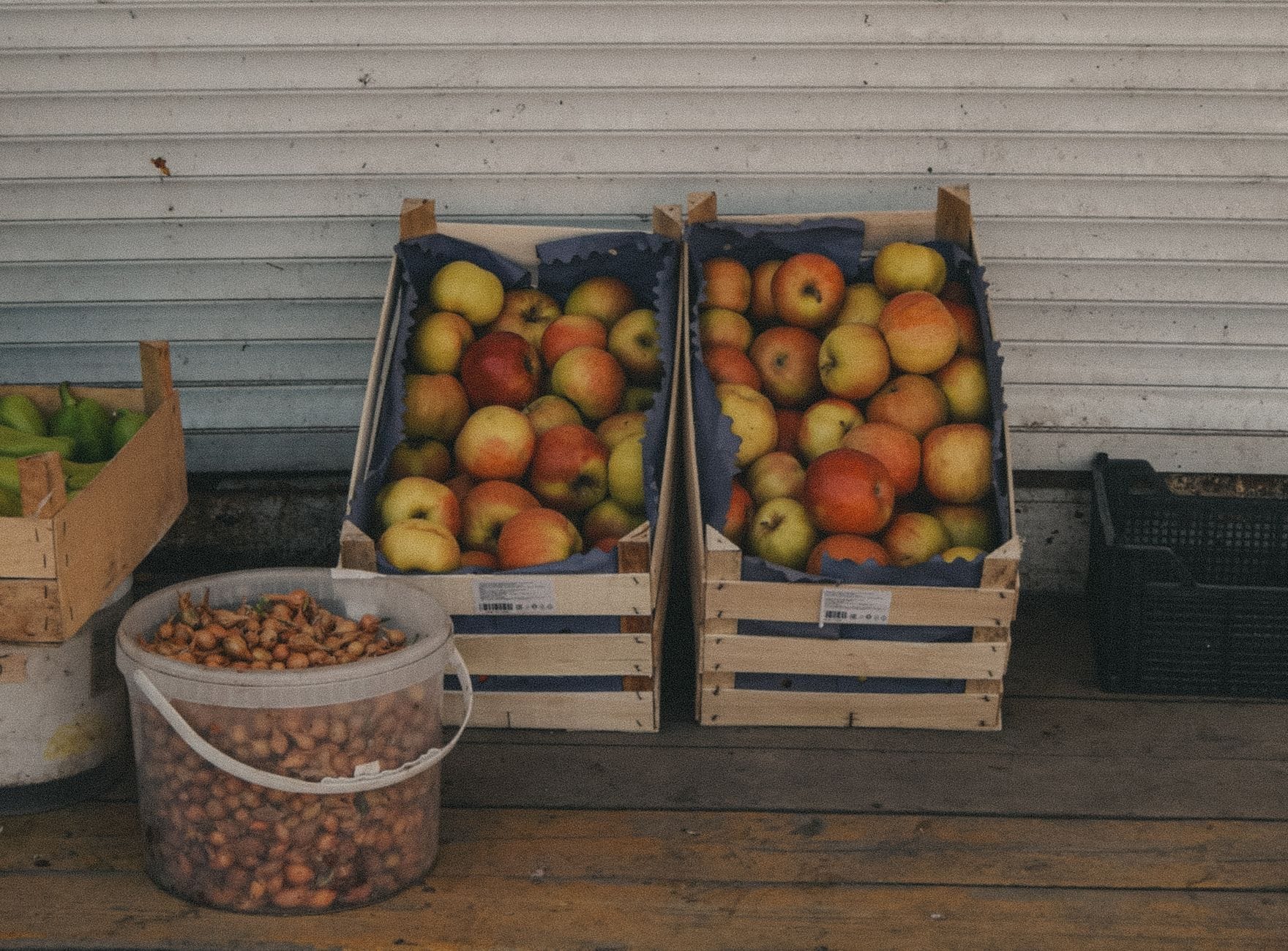
An autumn glut crop. UK plums and damsons ripen fast in late August and September and don't keep, so jam is the classic way to bank a heavy harvest. Freeze stoned fruit at the peak and preserve it in batches.
Frequently asked questions
Kit for this job (Ad)

Argon Tableware Glass Jars with Airtight Metal Clip Lid - 200ml/6.7oz - 6 Pack - 4 Colour Seals - Small Kitchen Storage Container Round Preserving Jar for Pickling, Chutney, Jam, Coffee
Check price on Amazon →
Kilner Preserve Jar 0.5L (500ml) Round Glass Screw Top Lid Preservation Storage Jar for Jams Chutneys Small Pickled Fruits
Check price on Amazon →
KitchenCraft Jam Pan for Induction Hob with Recipe in Gift Box, Home Made Maslin, Stainless Steel, 4.5 Litre, Silver
Check price on Amazon →
Offer Shop Glass Jam Jars with Red Gingham Lid & Labels - 280ml / 9oz Hexagonal Storage Glass Jars | Clear Airtight Jar for Kitchen Spices Honey or Sweets - 6 Set
Check price on Amazon →We may earn a small commission, at no cost to you. We only list kit we'd use.
Written by
UK Homesteading Team
Editorial team
The UK Homesteading editorial team, offering UK-specific, evidence-led guidance on growing, keeping, preserving and the law.