Elderberry cordial is a proper autumn hedgerow treat: a deep, dark, spiced syrup traditionally taken through the colder months and lovely stirred into hot water on a cold evening. The berries ripen from late August, hanging in heavy heads once the summer elderflower is long gone.
There is one thing you have to respect. Raw elderberries and every green part of the plant are toxic, so the berries must be cooked and only the ripe ones used. Get the picking and the cooking right and you have a warming, wholesome cordial for pennies.
How to Make Elderberry Cordial: A UK Foraging Recipe
Makes About 750ml; roughly 45 minutes of work plus cooling
Makes
About 750ml; roughly 45 minutes of work plus cooling
Ingredients
For the cordial
The warming spices (all optional)
Method
- 1
Strip the ripe berries off the stalks with a fork, dropping them into a bowl. Discard every bit of stalk, leaf and any green or underripe berries, as these are the toxic parts.
- 2
Tip the berries into a colander and rinse them well, picking out any last stray stalks.
- 3
Put the clean berries in a pan with just enough water to cover, add the spices, and bring to a gentle simmer.
- 4
Simmer for 15 to 20 minutes, crushing the berries against the side of the pan with a masher as they soften, until they have given up their dark juice.
- 5
Strain the lot through a sieve or jelly bag into a jug, pressing gently to release the juice, then discard the spent berries and spices.
- 6
Measure the strained juice, return it to a clean pan, and stir in about 400g sugar per 500ml of juice along with the lemon juice.
- 7
Bring back to a simmer and cook gently for 10 to 20 minutes, until it has thickened slightly into a cordial.
- 8
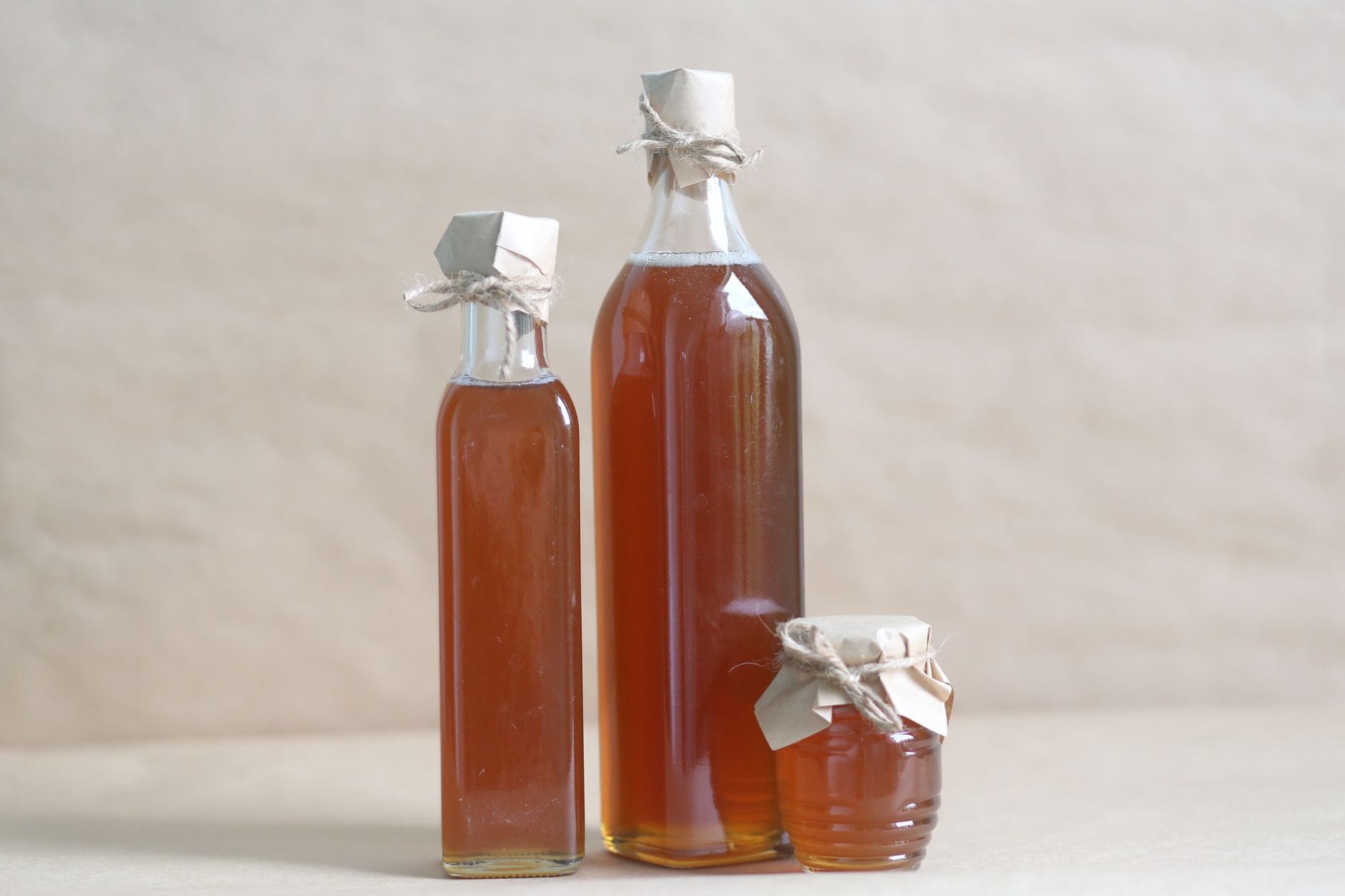
Pour hot into hot sterilised bottles, seal, label, and cool before storing in the fridge.
Cook’s notes
- Timings: about 45 minutes of hands-on work, plus time to cool before it goes in the fridge.
- Safety, cook it fully: raw and unripe elderberries, and the stalks and leaves, contain cyanide-releasing compounds and are toxic. Only use ripe, dark-purple berries, remove every stalk and leaf, and always simmer the berries thoroughly, which drives the compounds off.
- Identify the plant, not just the berry. Elder has feather-shaped leaves of five to seven serrated leaflets and flat berry heads on reddish stems. If you can't be sure, leave it.
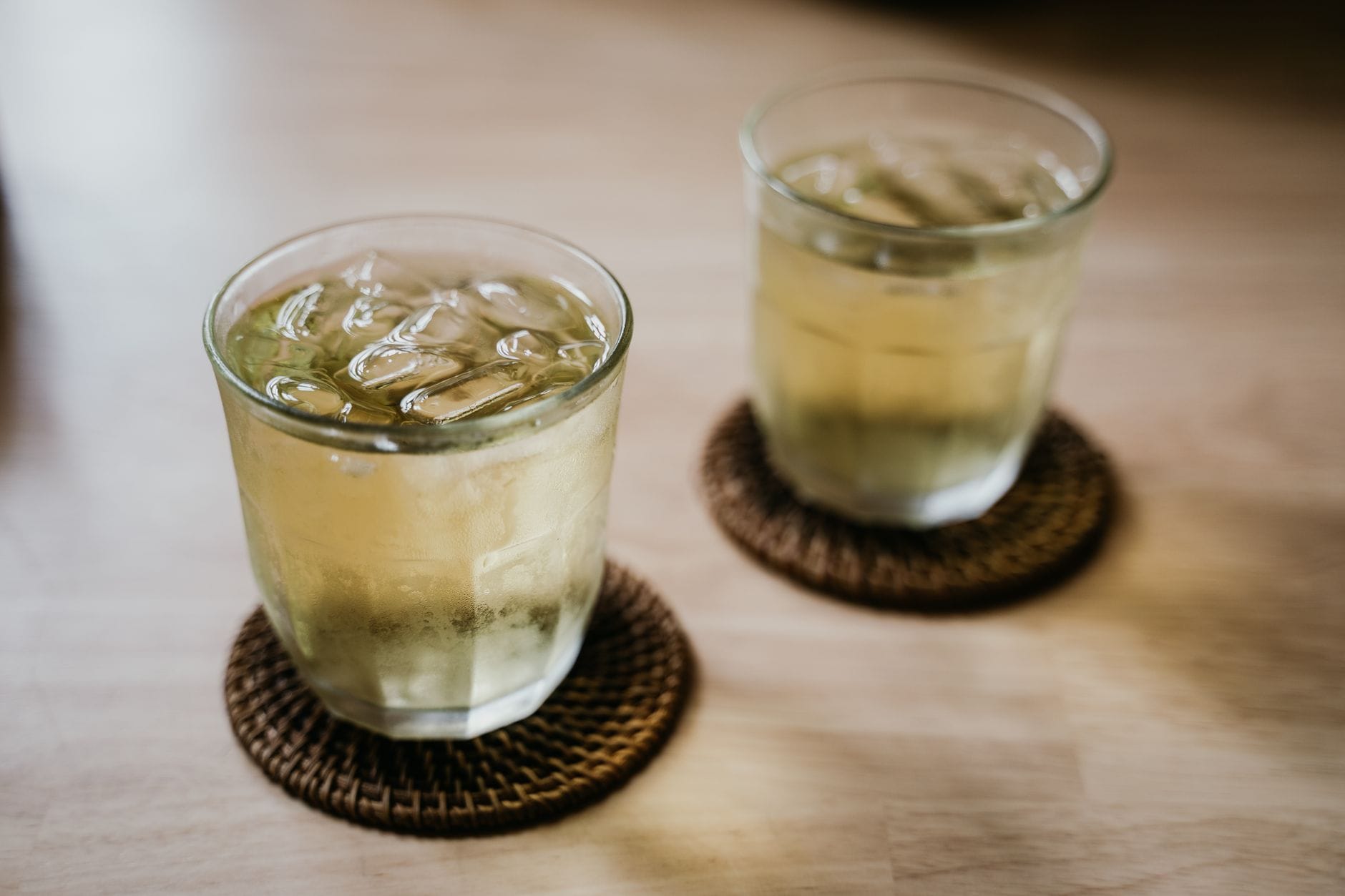
- To serve, dilute a spoonful in hot or cold water, or trickle it over porridge, yoghurt or ice cream. Traditionally it is taken as a warming drink through the winter.
- Bottle small and freeze some. It keeps a few months sealed in the fridge, and frozen in ice-cube trays for up to about six months.
- Adjust the sugar to taste. Very ripe berries are sweeter, so start at 350g and add a little more only if it needs it, keeping the tartness the lemon brings.
What you’ll need
- Large saucepan
- A fork, for stripping the berries off the stalks
- Sieve or jelly bag, and a large jug
- Potato masher or the back of a spoon
- Small sterilised bottles with tight lids
Troubleshooting
The cordial tastes flat or thin.
It needed a touch more spice, lemon or a slightly longer simmer to concentrate. Return it to the pan, add the lemon juice if you haven't, and reduce it a few minutes more.
It is too sweet or too sharp.
Balance is easy to fix. Simmer a little more sugar in for sweetness, or a squeeze more lemon to sharpen. Aim for a rich, tangy cordial rather than a jammy one.
There is grittiness or bits in the bottle.
The straining was too coarse. Pass it again through a jelly bag or fine muslin so only clear juice goes into the bottles.
A bottle has fizzed or smells fermented.
Throw it out. It has started to ferment, usually from an unsterilised bottle or being stored too warm. Bottle hot into sterilised bottles and keep it in the fridge.
The berries are hard to destalk.
Freeze the whole heads for an hour first, then run a fork down the stems. The berries pop off far more easily when firm.
More about elderberry cordial
What you're picking. Elder is a common hedgerow and woodland-edge shrub across the UK. In spring it carries the creamy flowers used for elderflower cordial, and by late August into October those same heads have become bunches of small, dark-purple berries. Only the ripe berries are used here.
When to gather. Pick from late August through October, when the berry heads have turned fully dark and hang heavy, often nodding downwards. Take berries from clean hedgerows away from busy roads and spray, and always leave plenty for the birds.
Identifying elder safely. The leaves are pinnate, made of five to seven serrated leaflets arranged along a central stem, and the berries sit in flat, umbrella-shaped clusters on reddish stalks. Some look-alikes have simple, smooth leaves and berries arranged quite differently. Learn the whole plant from a good field guide, and if you have any doubt at all, don't pick it.
How it is traditionally used. Elderberry cordial has long been taken as a warming winter drink, diluted in hot water on cold days. We describe it that way rather than making any health claims: it is a lovely, spiced, traditional cordial, and that is reason enough to make it.
Keeping it well. Bottled hot into sterilised bottles, sealed and kept cold, the cordial holds for a few months, and it freezes very well in cubes. As with all our hedgerow syrups, small bottles and a few frozen portions mean nothing spoils before you use it.
Why the berries must be cooked
This is the part to take seriously. Raw elderberries, unripe green berries, and the stalks, leaves and stems of the plant all contain cyanogenic glycosides, natural compounds that release cyanide in the body. Eaten raw or underripe they can cause nausea, vomiting and stomach upset. The good news is that thorough cooking drives these compounds off, which is exactly why every traditional recipe simmers the berries rather than using them raw. So the rules are simple and firm: use only ripe, dark-purple berries, strip away and discard every bit of stalk, leaf and green berry, and always simmer the berries properly before you drink the cordial. Follow that and you have a safe, warming, wholesome cordial. Skip it and you don't.
Frequently asked questions
Kit for this job (Ad)

Food For Free: The Best Non-Fiction Guide to Wildlife Foraging and Natural Recipes (Collins Gem)
Check price on Amazon →
The Forager's Calendar: A Seasonal Guide to Nature’s Wild Harvests
Check price on Amazon →
3 Pcs Cheesecloth, 50 x 50 cm Unbleached Grade 100 Reusable Muslin Cloths for Cooking Ultra Fine Washable Cheese Cloths for Straining for Filtering Juice Cheese Tea Coffee
Check price on Amazon →
Era Natural Nut Milk Bag Reusable 2 Pack 12" x 10" Cheesecloth Bags for Straining Almond/Soy Milk Greek Yogurt Strainer Milk Nut Bag for Coffee Tea Beer Juice Nylon Mesh Cheese Cloth
Check price on Amazon →We may earn a small commission, at no cost to you. We only list kit we'd use.
Written by
UK Homesteading Team
Editorial team
The UK Homesteading editorial team, offering UK-specific, evidence-led guidance on growing, keeping, preserving and the law.