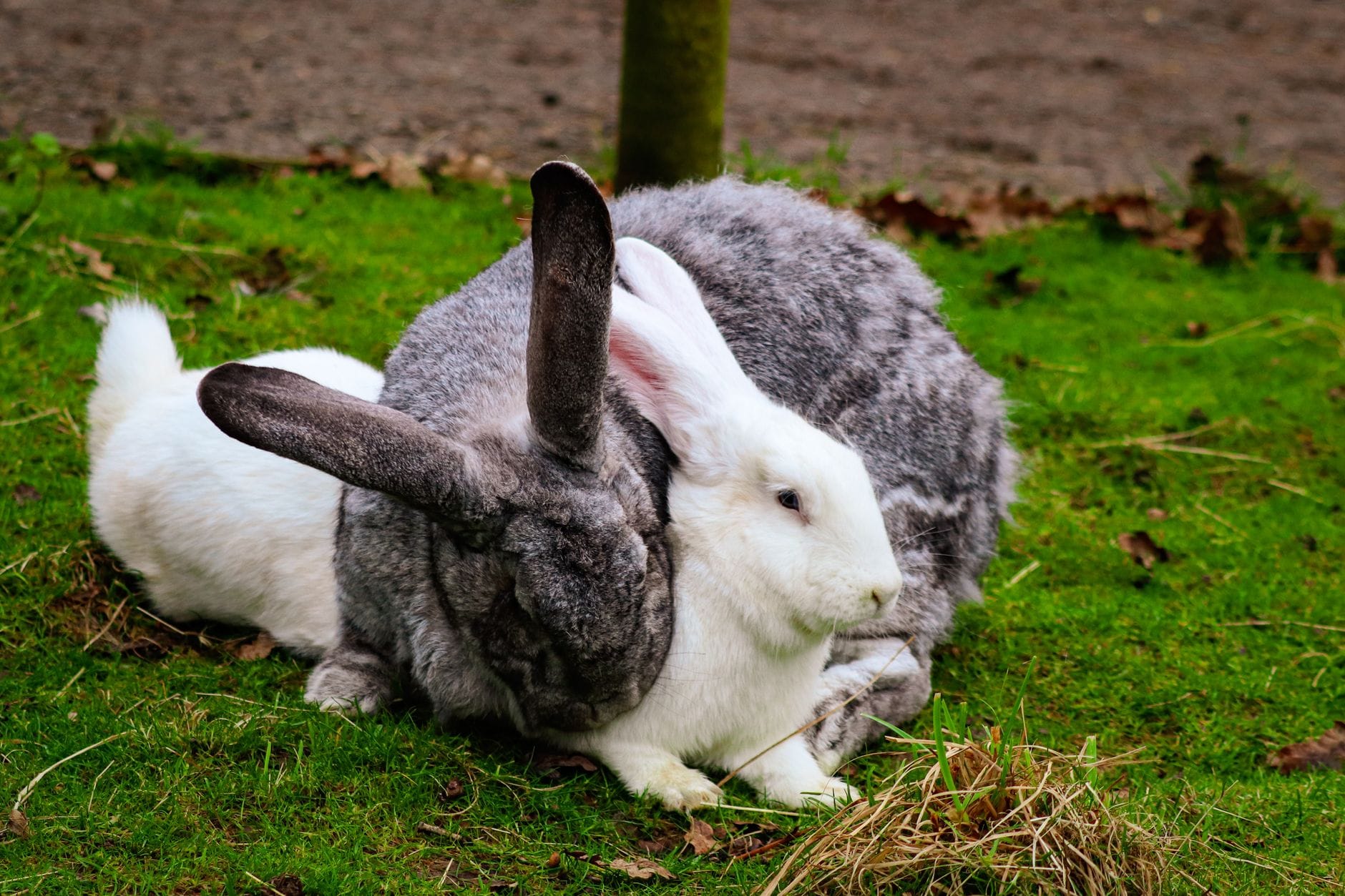
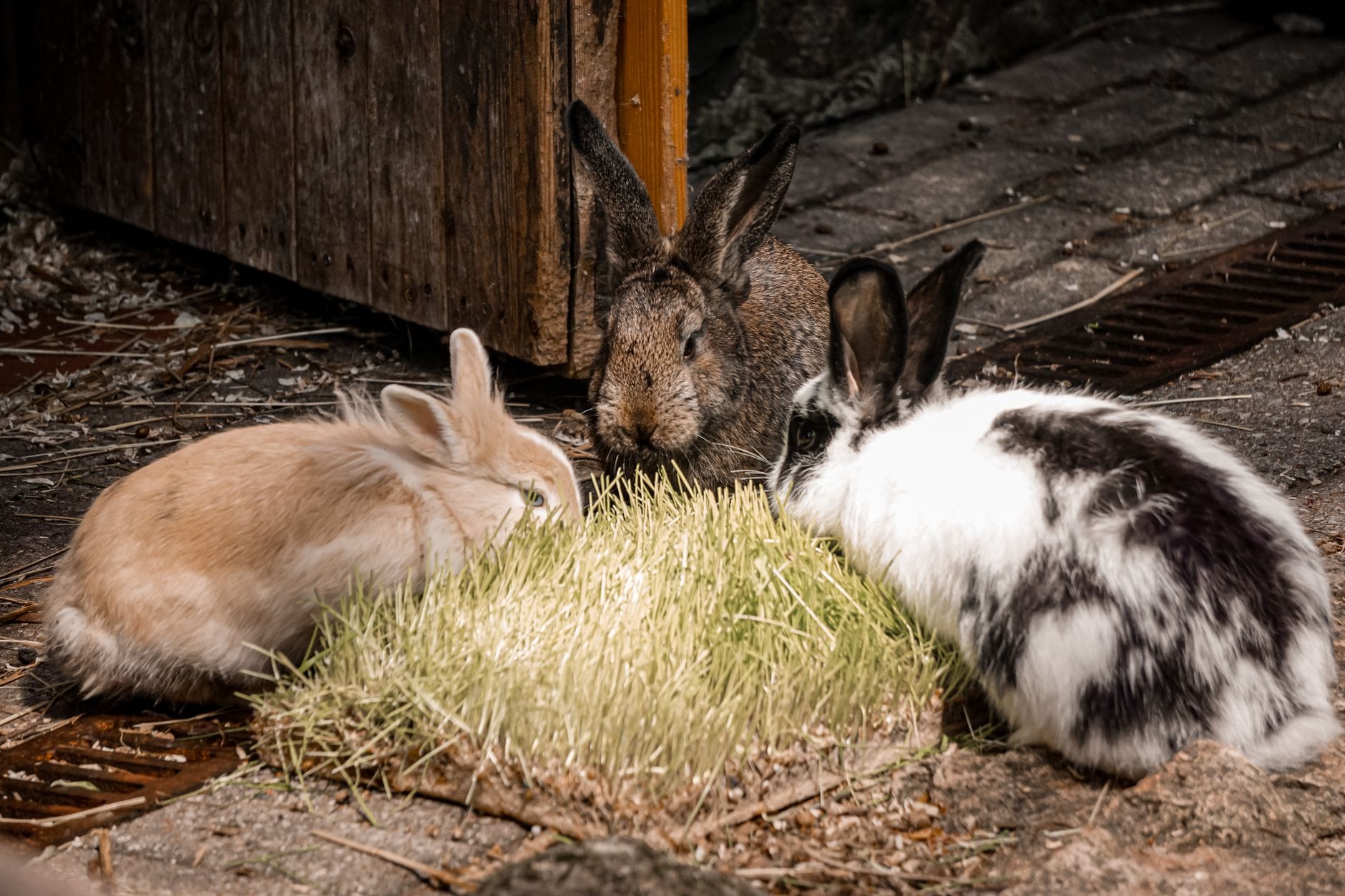
If there is one thing worth getting right before you bring a rabbit home, it is where it will live. More rabbits are let down by their housing than by anything else, because the pet-shop picture of a single small hutch in the corner of the garden is, quite simply, not enough space for the animal inside it. Rabbits are not sedentary lap-pets. They are athletes built to run, to leap, to stand up tall and survey the ground, and to twist mid-air in a burst of joy that keepers call a "binky". Give them room to do all that, keep them safe from foxes and the British summer, and give them a friend, and you will have contented, healthy rabbits. Get the housing wrong and no amount of good food or affection makes up for it.
This guide covers how to house rabbits properly in the UK: how much space they really need, hutch and run design, predator-proofing that actually works, weather in both directions, the summer killers of heatstroke and flystrike, and why companionship is not optional. It pairs with our beginner's guide to keeping rabbits, and it is worth reading alongside choosing the right breed and feeding rabbits.
A hutch is not enough
This is the heart of it, and it is worth stating plainly because so much sold to new owners gets it wrong. The RSPCA and the Rabbit Welfare Association and Fund have campaigned for years under the banner "a hutch is not enough", and the message is exactly what it says. A traditional small hutch does not let a rabbit run, stretch right out, or rear up on its back legs, and a rabbit that spends its life confined to one is a recognised welfare problem, not a normal pet.
The fix is not to throw the hutch away but to demote it. A hutch is the bedroom: the dry, sheltered, predator-safe place where rabbits sleep, hide and shelter from the weather. What it must never be is the whole home. It should be permanently attached to a large run or exercise area that the rabbits can use at any time of day or night, without you having to lift them in and out. Once you think of the hutch as one room and the run as the rest of the house, the whole set-up falls into place.
How much space, in real numbers
It helps to separate the two parts of the home: the sleeping hutch, and the total living space.
The sleeping quarters, the hutch itself, should be a minimum of 1.8 metres by 0.6 metres by 0.6 metres, which is the old 6ft by 2ft by 2ft. That is the shelter, not the whole enclosure. The total living space, hutch plus run combined as one accessible block, should be at least 3 metres by 2 metres with a height of at least 1 metre for a pair. Bigger is always better, and the charities that set these figures are at pains to say they are minimums, not targets.
A few details trip people up. The upper floor of a two-storey hutch does not count towards the footprint, because a ramp and a shelf are not the same as ground a rabbit can run across. Tunnels, raised platforms and connecting pipes are wonderful enrichment and are actively encouraged, but they do not count towards the core 3m by 2m either. And the space has to be available all the time, not just when you are home to open a hatch.
| Part of the home | Recognised UK minimum |
|---|---|
| Sleeping hutch (the bedroom) | 1.8m x 0.6m x 0.6m (6ft x 2ft x 2ft) |
| Total living space for a pair (hutch + run as one block) | 3m x 2m footprint, at least 1m high |
| Availability | Accessible at all times, day and night |
| A single rabbit | Needs the same total space as a pair |
Setting up a rabbit home, step by step
Building a safe, spacious rabbit set-up
- 1
Start with the run size
Plan the whole enclosure as one block of at least 3m x 2m and 1m high for a pair. Measure the actual footprint on the ground, ignoring any upper shelves, before you buy.
- 2
Add a proper shelter
Fit a sturdy, waterproof hutch or a converted shed or playhouse of at least 1.8m x 0.6m x 0.6m as the bedroom, raised off the ground and permanently connected to the run so there is free access at all times.
- 3
Predator-proof every surface
Use strong weld mesh on all sides and across the top, secure bolt catches rather than simple latches, and a buried mesh skirt or solid base so nothing can dig in and the rabbits cannot dig out.
- 4
Bed it down
Line the shelter with newspaper, a layer of wood-based, dust-extracted litter pellets, and plenty of soft straw on top for warmth. Add extra straw in winter.
- 5
Add enrichment
Give them things to dig in, hide in and explore: a deep litter tray of soil or a digging box, tunnels, cardboard boxes, and platforms to hop onto. Constant hay to eat is enrichment as well as food.
- 6
Site it well
Place the home in shade for summer and out of the prevailing wind and driving rain for winter. Avoid spots that trap heat, and never keep rabbits in a greenhouse or an unventilated shed.
- 7
Set a cleaning routine
Spot-clean soiled bedding and remove uneaten fresh food daily, and deep-clean the whole home about once a week. A clean, dry home is your main defence against flystrike.
Predators: build as if a fox will come
In a British garden the main threat is the fox, and the safest assumption is that one will visit, usually at night. Rabbits are also at risk from cats and, in more open settings, birds of prey. You do not need to see a predator get in for it to be fatal, because a rabbit can panic itself to death when a fox is simply prowling around the outside of the run.
Build accordingly. Use strong weld mesh, not chicken wire, which a determined fox can bite and tear. Mesh must cover every side and the top, since foxes climb and cats drop in from above. Rabbits are champion diggers and so are foxes, so stop digging in both directions with a mesh skirt buried around the base or a solid floor under the run. Fit proper bolts, because foxes are surprisingly good with simple catches, and always shut rabbits into the solid shelter overnight.
Letting rabbits free-roam a larger garden is brilliant for them, but only if it is genuinely secure and, ideally, supervised. Bury or skirt the boundary fencing, add an angled top section to deter climbing cats and foxes, and use netting overhead where birds of prey are a risk. When you cannot watch them, put them back in the secure run. One more point specific to rabbits: keep wild rabbits away from your pets, as they can carry disease, so avoid nose-to-nose contact through a single fence and keep vaccinations up to date.
Weather: cold is survivable, heat is not
British owners often worry about winter and underestimate summer, when it should be the other way round. Rabbits cope well with cold as long as they are dry and out of draughts. Damp and wind are the real enemies, so raise the shelter off the ground, keep it genuinely waterproof, pack in extra straw, and add an insulated cover in a cold snap. If a rabbit has been living indoors, do not suddenly move it outside in autumn or winter, because it will not have grown the dense coat it needs. Otherwise, a healthy, well-bedded pair is fine outdoors year round.
Heat is the danger that catches people out.
Companionship is a need, not a nicety
Rabbits are social animals that naturally live in groups, and a rabbit kept entirely alone is prone to boredom, loneliness and stress. Welfare charities are united that solitary housing is poor welfare, and companionship is one of the specific needs the law expects you to meet. The gold standard is a neutered, bonded pair, and the easiest pairing to bond is a neutered male with a neutered female. Neutering also prevents fighting and the very fast breeding that gave us the phrase. A word of warning: a guinea pig is not a substitute for a rabbit companion, as the two species communicate differently and have different needs, so a rabbit's friend should be another rabbit. Introductions need to be done carefully and gradually on neutral territory, which is worth reading up on before you bring a second rabbit home.
Indoors or outdoors?
Both can be excellent, and the space rules do not change. House rabbits live indoors with a large pen or a rabbit-proofed room and free-roam time, which keeps them close to the family and out of reach of foxes, but they still need daily exercise space and safe things to chew, because a bored house rabbit will find your cables. Even mainly-indoor rabbits benefit from regular, secure access to the outdoors for daylight and natural behaviours like digging and grazing. Outdoor rabbits need the predator-proofing and weather care above. Whichever you choose, the same non-negotiables apply: enough space, a companion, a clean and secure home, and daily checks.
The law: your duty of care
You do not need a County Parish Holding (CPH) number or any movement or registration paperwork to keep pet rabbits, unlike poultry or livestock. What does apply is welfare law.
Common mistakes to avoid
- Buying a hutch as the whole home instead of the bedroom. It must be attached to a large run with round-the-clock access.
- Measuring the space including the upper floor of a two-storey hutch. Only the ground-level footprint counts.
- Keeping a single rabbit "because I don't have room for two". One rabbit needs the same space, and companionship is a welfare need.
- Using chicken wire and simple latches. Foxes tear through and undo both, so use weld mesh and secure bolts, with a dig-proof base.
- Fretting about cold while ignoring heat. Dry, draught-free rabbits handle winter, but summer heatstroke and flystrike are the real killers.
- Skipping the daily rear check in warm weather. Flystrike can take hold in hours, so a daily look, twice daily when it is hot, is essential.
- Pairing a rabbit with a guinea pig. They are not companions for each other, so a rabbit needs another neutered rabbit.
Get the housing right and most other problems shrink. A spacious, secure, shaded home with a bonded companion gives a rabbit the room to be a rabbit, and gives you an animal that is calmer, healthier and far more rewarding to keep.
This guide reflects UK welfare guidance current as of July 2026 from the Rabbit Welfare Association and Fund, PDSA, Blue Cross and GOV.UK. Space figures and the "a hutch is not enough" position are welfare recommendations from those bodies; the duty of care itself is a legal requirement under the Animal Welfare Act 2006. If your rabbit shows signs of heatstroke or flystrike, treat it as an emergency and contact your vet straight away.
Frequently asked questions
Sources
- Minimum Space Requirements for Pet Rabbits (Space Recommendations) , Rabbit Welfare Association & Fund (RWAF)
- Creating the ideal home for your rabbits , PDSA
- Heatstroke in Rabbits , PDSA
- Flystrike in rabbits , PDSA
- Rabbit-proofing your garden , PDSA
- Housing for rabbits , Blue Cross
- Animal welfare (duty of care and welfare needs) , Department for Environment, Food & Rural Affairs (GOV.UK)
- Animal Welfare Act 2006 , Legislation.gov.uk
Kit for this job (Ad)

CLASSIC Crystal Deluxe 'Midi' - Small Animal Drinking Bottle 320ml
Check price on Amazon →
CLASSIC Crystal Deluxe 'Giant' - Small Animal Drinking Bottle 1100ml
Check price on Amazon →
Small Pet Select – Hair Buster Comb for Rabbits, Guinea Pigs & Small Pets | Gentle, Efficient Grooming Tool for Removing Loose Hair & Reducing Shedding
Check price on Amazon →
Pet Dog Pen Puppy Cat Rabbit Foldable Playpen Indoor/Outdoor Enclosure Run Cage (Small: Height 61cm)
Check price on Amazon →We may earn a small commission, at no cost to you. We only list kit we'd use.
Written by
UK Homesteading Team
Editorial team
The UK Homesteading editorial team, offering UK-specific, evidence-led guidance on growing, keeping, preserving and the law.