If you take one thing from this guide, take this: a rabbit's diet is mostly hay, and almost everything that goes wrong with pet rabbits comes back to not enough of it. The bright bags of colourful mix on the pet-shop shelf, the bowl of nuggets topped up every morning, the daily carrot; all of it feels like feeding a rabbit well, and all of it quietly works against the two things a rabbit's body actually needs. Feed hay first and generously, keep the rest small and simple, and you sidestep the dental disease and gut problems that fill rabbit-vet appointments.
This guide is about feeding pet and smallholding rabbits in the UK. If you are just starting out, read it alongside our beginner's guide to keeping rabbits in the UK, and if you are still choosing, our roundup of the best rabbit breeds for the UK will help you match a rabbit to your setup.
Hay and grass: around 85 to 90 per cent of the diet
Hay is not a bedding material that rabbits happen to nibble. It is the food. UK welfare guidance is strikingly consistent on this: the PDSA puts hay and grass at around 85 per cent of the diet, the RSPCA at 85 per cent, and the Rabbit Welfare Association at roughly 80 per cent, so somewhere around 85 to 90 per cent is the target, and it should be available around the clock, never rationed.
The rule of thumb keepers actually use is simple. Your rabbit should eat a bundle of hay at least as big as its own body every single day. If that sounds like a lot, that is the point. A rabbit grazing properly spends much of its waking day chewing, exactly as a wild rabbit does on grass.
There are two reasons this matters so much, and both are matters of survival rather than preference.
It is worth knowing the difference between feeding hay and bedding hay. Feeding hay is fresher, greener and sweeter-smelling, with more nutrients, and it is what your rabbit should be eating. Bedding hay is drier and coarser; fine to sleep on, and no disaster if the odd mouthful goes down, but not the main supply. Good feeding hay should smell sweet and be dust-free. Growing grass is excellent too, and letting a rabbit graze a safe patch encourages both eating and exercise, though new grass should be introduced slowly to avoid an upset tummy.
Leafy greens and forage: a handful, twice a day
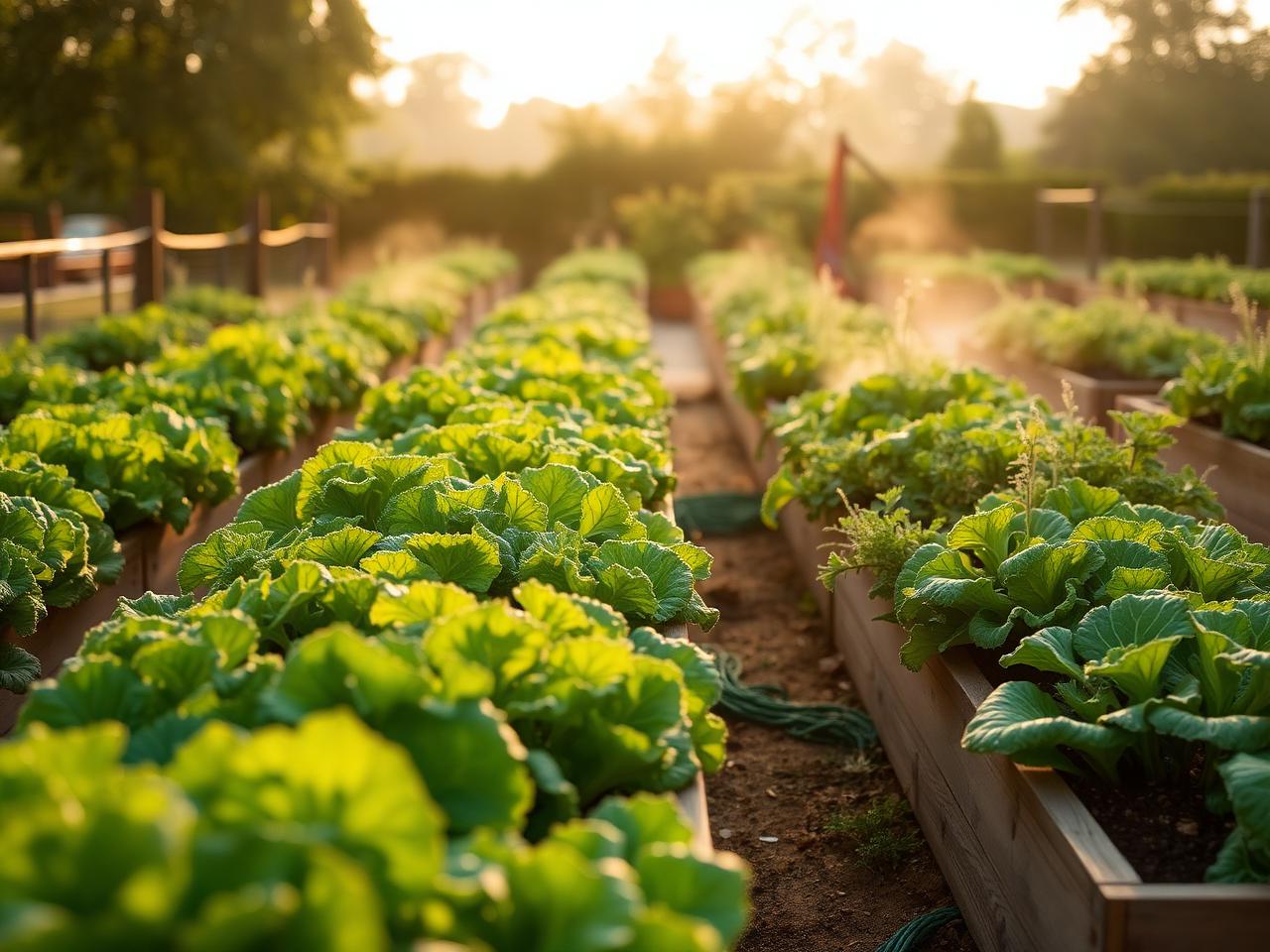
After hay, the next layer of the diet is fresh leafy greens, herbs and safe plants. Aim for an adult-sized handful twice a day, and try to offer variety, ideally five or six different types across the day, so your rabbit gets a good spread of vitamins and minerals. Wash everything first, even home-grown or foraged plants, and always introduce anything new slowly and in small amounts.
Good, widely-recommended greens and herbs for UK rabbits include:
- Leafy greens: kale, spring greens, cabbage (dark green types, in moderation), broccoli and cauliflower leaves, watercress, rocket, chard, and romaine or other dark lettuce (never iceberg).
- Herbs: basil, coriander, dill, mint, parsley and thyme.
- Veg and stalks: celery and its leaves, courgette, fennel, and bell peppers.
- Safe forage: dandelion leaves (small amounts, they are a mild diuretic), bramble and raspberry leaves, chickweed, and apple or pear twigs and leaves for gnawing.
Introduce each new green gradually. A rabbit's gut is a finely balanced thing, and a sudden pile of unfamiliar veg is a classic trigger for the digestive upsets covered below. If in doubt about a plant, leave it out: never feed anything you cannot confidently identify, and steer clear of anything that may have met pesticide or fertiliser.
Nuggets: small, measured, and never topped up
Pellets, usually sold now as uniform nuggets, are the smallest part of the diet and the one most people overdo. A rabbit does not need a bowl of them. A small measured amount, roughly an eggcup or about a level tablespoon per rabbit per day, is enough for an average adult, given as one or two feeds. Rabbits over about 3.5kg can have that tablespoon twice daily.
Nuggets are very concentrated, which is exactly why the portion is so small. The danger is the always-full bowl: given free access, a rabbit fills up on nuggets, eats less hay, and slides towards overgrown teeth, an unbalanced gut and a widening waistline. So measure the day's ration, do not free-pour it, and resist topping up an empty bowl before the next day. Scattering the nuggets in the hay or around the enclosure, rather than serving them in a dish, makes your rabbit forage for them and slows the eating down.
Water: always, and always fresh
Fresh clean water must be available at all times, changed daily. Many rabbits actually prefer drinking from a heavy ceramic bowl rather than a drip-feed bottle, and a bowl is easier and more natural to drink from, so offering one is worthwhile. If you use a bottle, check the spout every day to make sure it has not blocked. In winter, check more than once a day, because bottles and bowls freeze and a rabbit without water becomes ill quickly. In summer, watch for algae greening the water or container.
Getting the balance right
Put the four parts together and the picture is easy to hold in your head.
| Feed this, in this order | Go easy or avoid |
|---|---|
| Hay and grass, unlimited, around 85-90% of the diet | Muesli-style mixes (selective feeding, dental and gut disease) |
| A handful of safe leafy greens and herbs, twice daily | Carrot and root veg (sugary, a treat not a staple) |
| A small measured eggcup of good nuggets per rabbit per day | Fruit such as apple or banana (occasional small treats only) |
| Constant fresh water, changed daily | Shop-bought sugary treats, bread, cereal and grains |
| Apple or willow twigs to gnaw | Lawnmower clippings, and anything you cannot identify |
Switching a diet safely
Because a rabbit's gut is so easily upset, any change to what it eats should be made slowly, over roughly two to four weeks, whether you are moving off muesli, changing nugget brand or introducing new greens.
How to change a rabbit's diet without an upset
- 1
Mix in a little new food
Start by mixing a small amount of the new food into the current food.
- 2
Shift the balance daily
Each day, increase the new food a little and reduce the old food a little.
- 3
Watch the droppings
Watch the droppings closely: they should stay firm, round and regular.
- 4
Add greens one at a time
Introduce new fresh greens one at a time, in small amounts, so you can spot anything that disagrees.
- 5
Slow down if anything is off
If droppings soften, or your rabbit eats less or seems off, slow right down or pause, and see a vet if it does not settle.
- 6
Take two to four weeks
Aim to complete the full switch over two to four weeks, never in a single day.
Baby rabbits versus adults
Young rabbits have different needs from grown ones. Under about six months old, and while pregnant or nursing, a rabbit is growing fast and can have a richer diet: alfalfa hay, which is higher in protein and calcium than grass hay, along with a more generous ration of a junior nugget. Around the six-month mark you should transition, gradually as always, off alfalfa and onto grass hay such as timothy or meadow hay, and settle into the small adult nugget portion. Adult rabbits should not be kept on alfalfa, because the extra calcium and calories they no longer need can contribute to bladder problems and weight gain. Introduce fresh greens carefully to youngsters, in small amounts, as their guts are especially sensitive.
The gut, and why droppings matter
Two quirks of rabbit digestion are worth understanding, because they explain a lot of the advice above.
The first is that rabbits eat some of their own droppings, and this is entirely normal and necessary. A rabbit produces two kinds of dropping: firm, round, dry pellets, and soft, dark, sticky clusters called caecotrophs. It eats the caecotrophs straight from itself, usually out of sight, to re-absorb nutrients and keep its gut flora healthy. You will rarely see them. If you start finding uneaten sticky caecotrophs around the hutch, that often signals too rich a diet or a health problem, and it is worth a vet's opinion.
The second is the one that makes diet mistakes so dangerous.
The short version
Feed hay and grass as around 85 to 90 per cent of the diet and keep it available all the time; a rabbit should get through a bundle as big as itself each day. Add an adult handful of varied, washed leafy greens twice daily, introduced gradually. Give only a small measured eggcup of good nuggets per rabbit per day, and never top up the bowl or feed muesli. Keep fresh water available at all times. Treat carrot and fruit as occasional treats, not staples, and keep well clear of lawnmower clippings and toxic foods. Above all, protect the gut: change diets slowly, watch the droppings, and if your rabbit ever stops eating or pooing, treat it as the emergency it is. For where your rabbit lives and how that affects its grazing and hay, see our guide to rabbit housing and hutches in the UK.
Foods that are toxic or dangerous to rabbits. Alongside the sugary treats to limit, a handful of foods should never be given at all. UK vets flag rhubarb (leaves and stalks), potato and the green parts of potato plants, onions, garlic, chives and leeks, avocado (which contains persin), and chocolate, along with coffee, iceberg and other pale lettuces, and parsnips. Among garden and wild plants, keep rabbits away from bluebells, foxgloves, holly and tulips. If you think your rabbit has eaten something toxic, ring a vet straight away.
Feeding is only one part of keeping a rabbit well. Pair it with the right home, companionship and routine health care, covered in our guides to keeping rabbits in the UK, the best rabbit breeds for the UK and rabbit housing and hutches.
Guidance last checked July 2026. This is general welfare guidance, not veterinary advice: always follow the directions on your specific feed, and speak to a vet if your rabbit shows any sign of illness, especially a loss of appetite or a drop in droppings.
Frequently asked questions
Sources
- Feeding your rabbits , PDSA
- A healthy diet for your pet rabbit , RSPCA
- Rabbit diet , Rabbit Welfare Association & Fund (RWAF)
- Rabbit gut stasis: symptoms, causes and treatment , Vets Now
- 21 foods that can harm your rabbit , Edgewood Veterinary Group
Kit for this job (Ad)

CLASSIC Crystal Deluxe 'Midi' - Small Animal Drinking Bottle 320ml
Check price on Amazon →
CLASSIC Crystal Deluxe 'Giant' - Small Animal Drinking Bottle 1100ml
Check price on Amazon →
Timothy hay for Rabbits, hay for Guinea pigs, First cut, 2.2kg (Pack of 2)
Check price on Amazon →
Panelee 10 Pcs Guinea Pig Cage Liners Guinea Pig Fleece Bedding Reusable Washable Pee Pads Soft Comfortable Mat for Small Animals Chinchillas Rabbits Hamster Bunny (Dark Green,18 x 24 Inch) | Waterproof PIPI Pad, Reusable Sleeping Mat, Absorbent Cage Inserts, for Dogs, Guinea Pigs, Rabbits, Cats
Check price on Amazon →We may earn a small commission, at no cost to you. We only list kit we'd use.
Written by
UK Homesteading Team
Editorial team
The UK Homesteading editorial team, offering UK-specific, evidence-led guidance on growing, keeping, preserving and the law.