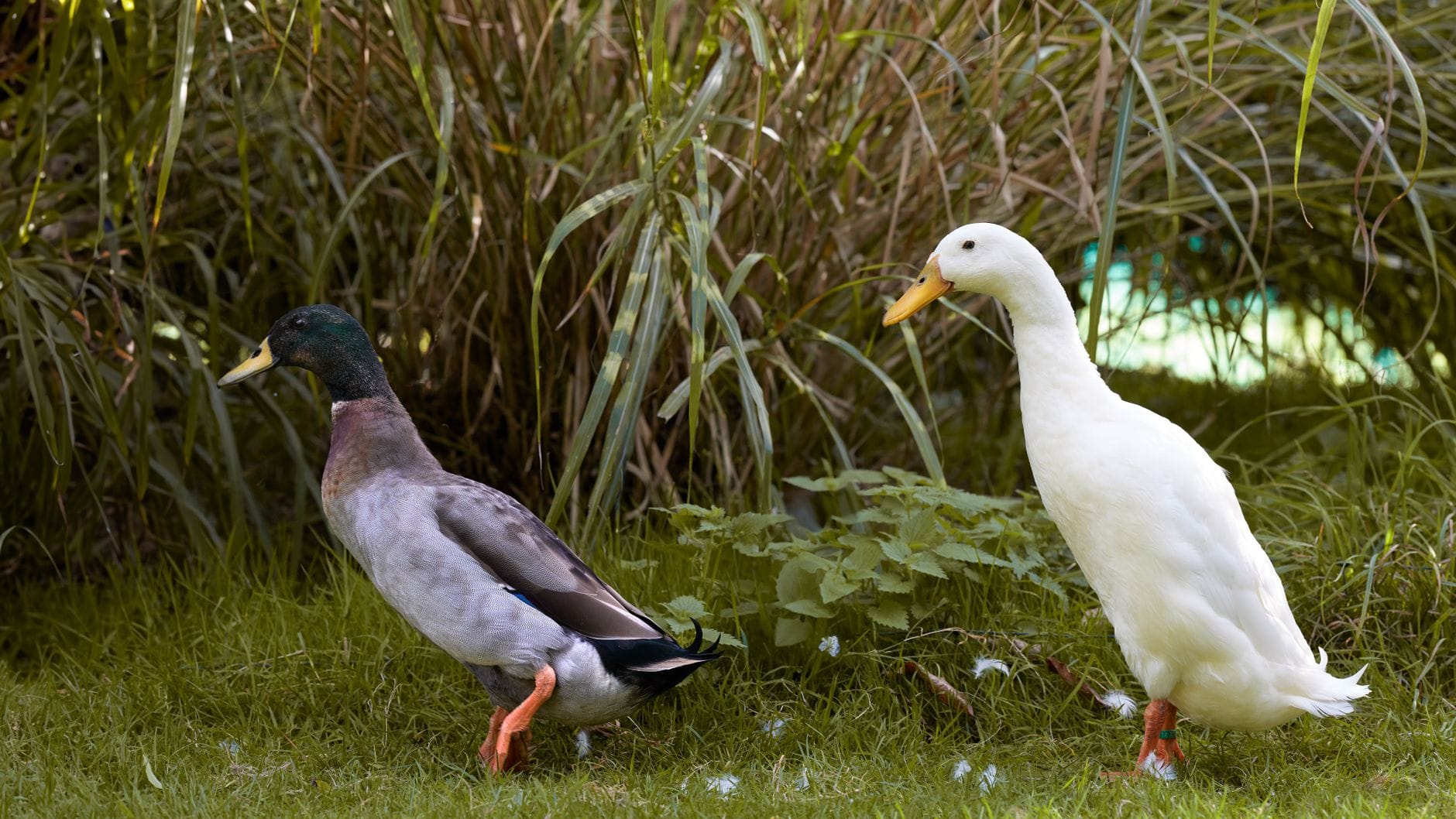
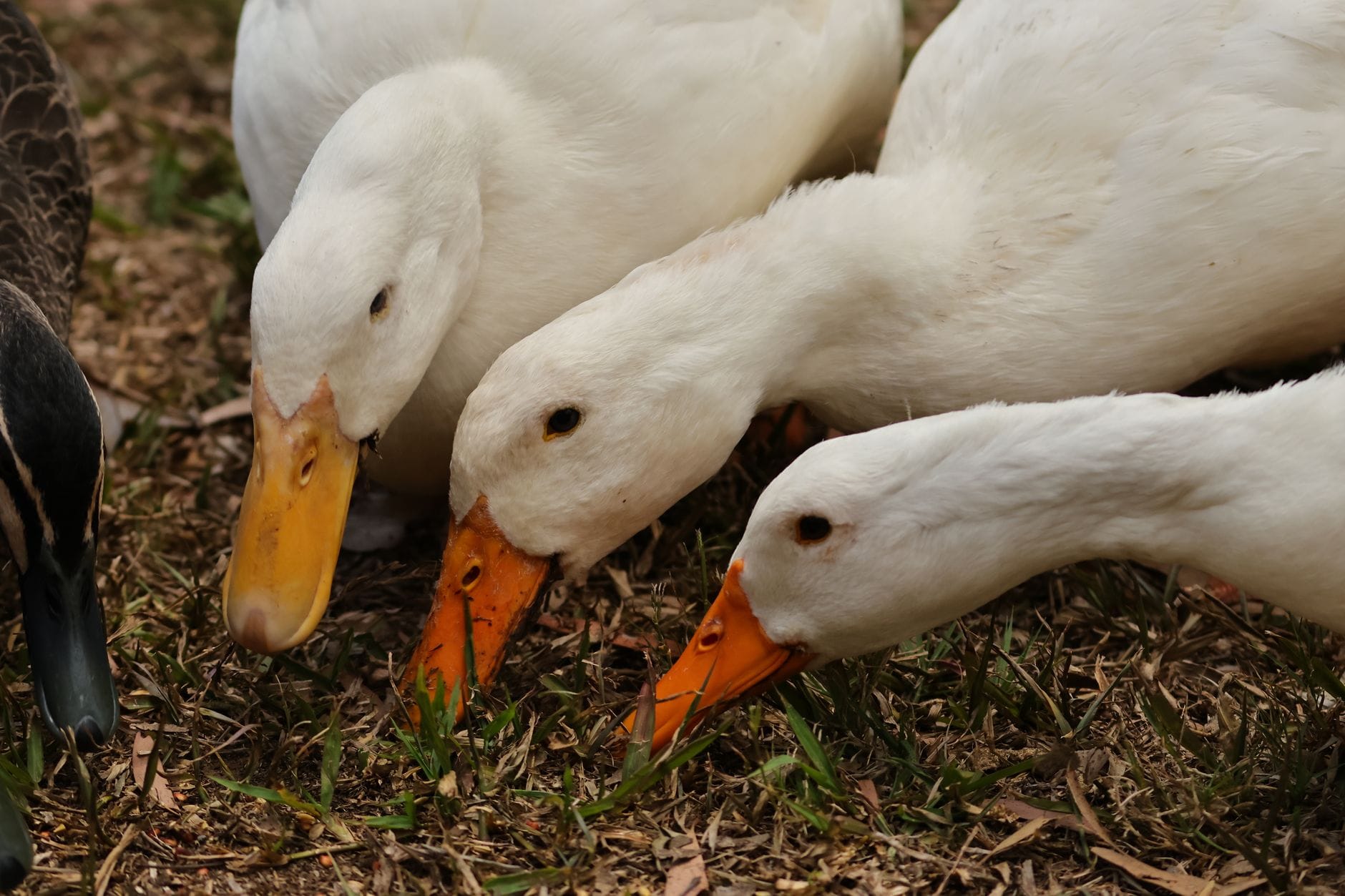
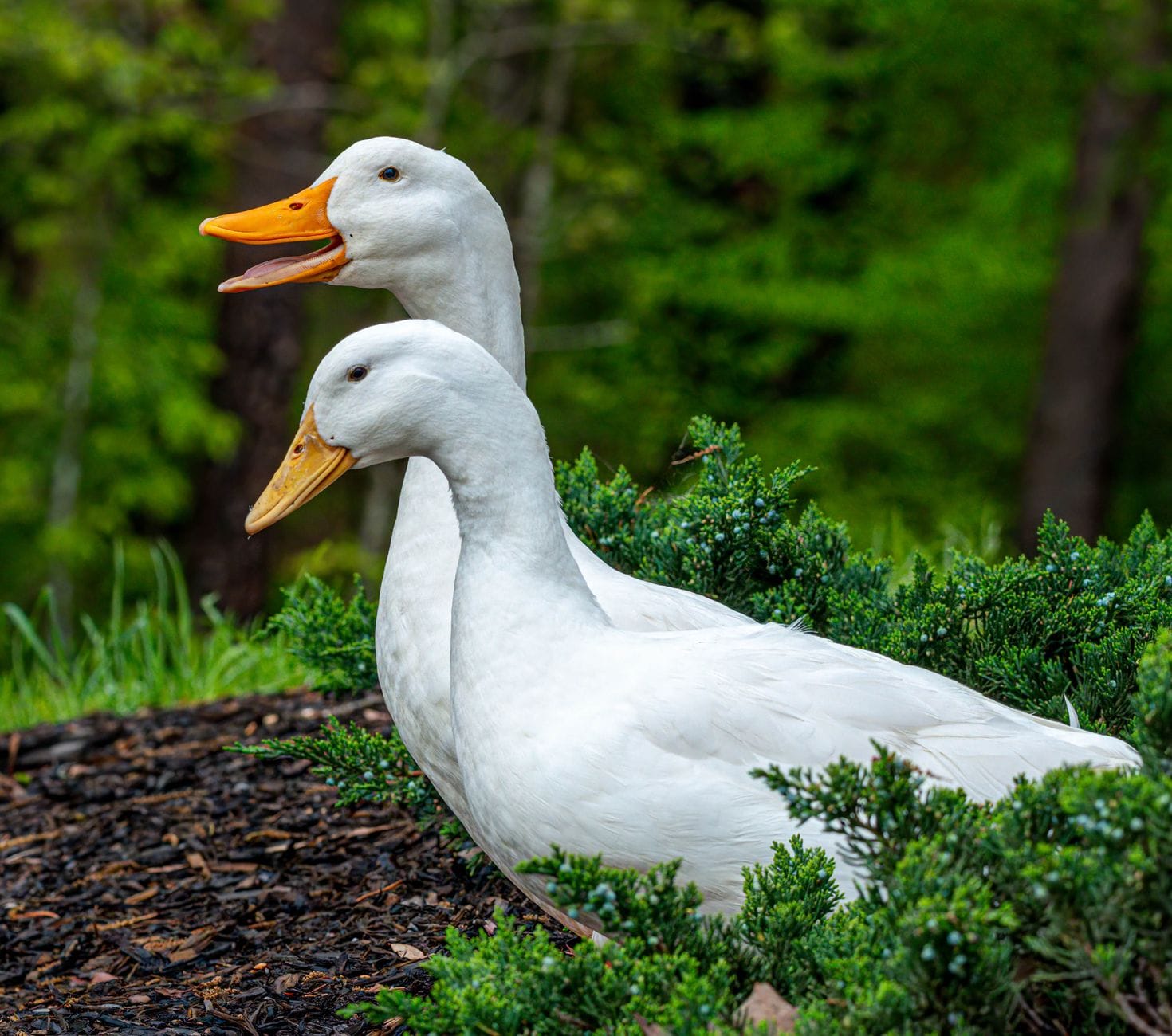
Ducks have a reputation for being harder work than hens, and in one narrow sense that is true: they are messier, and they turn ground to mud with almost supernatural efficiency. But the housing itself is genuinely simpler. A duck house is really just a dry, safe box to sleep in. There are no perches to fit, no raised nest boxes to muck out, no fussy pecking-order politics at bedtime. Get three things right, a predator-proof house, the right kind of water, and a plan for the mud, and you are most of the way to happy ducks.
This guide covers setting up from scratch: the house, keeping the fox out, the all-important water question, the run and foraging, and getting your birds through a British winter. If you are still deciding whether ducks are for you, start with our beginner's guide to keeping ducks in the UK, and if you have not settled on birds yet, our guide to the best duck breeds for UK keepers will help.
The duck house: dry, safe and well ventilated
A duck house has one job overnight: keep your birds dry, draught-free and safe from predators until you let them out in the morning. Ducks spend their days outside whatever the weather, so the house does not need to be large or elaborate. It needs to be solid, secure and easy for you to clean.
Allow roughly 0.4 to 0.5 square metres of floor space per duck as a sensible minimum, and more for large breeds like Aylesburys or if the birds might occasionally be shut in for a whole day. Ducks are ground-dwellers, so floor area is what counts, not height. A house that feels a size too big is almost always better than one that feels a size too small: it stays drier, ventilates more easily and is far less of a chore to keep hygienic.
Two features set a duck house apart from a hen house, and both come down to the same fact: ducks live on the floor.
- No perches. Ducks do not roost up high, and trying to make them can cause foot and leg problems. Leave them a clean, bedded floor to settle on.
- No raised nest boxes. Ducks lay on the ground, usually making a scrape in the bedding in a quiet, dim corner. If you want to steer them towards one clean spot, put a low, open, ground-level nook in the darkest corner and keep it well bedded, but do not fit the raised boxes you would use for hens.
For bedding, straw or large-flake wood shavings both work well on the floor. The enemy is damp: wet bedding breeds bacteria and mould and can lead to foot and respiratory problems, and ducks bring a lot of water in with them. Skim out obviously soiled or sodden bedding daily, top up as needed, and do a full strip-out and clean regularly. Good ventilation is not optional either. Ducks give off a surprising amount of moisture overnight, so the house needs vents high up that let damp air escape while keeping rain, draughts and predators out.
Finally, the pop-hole should be low or at ground level. Ducks waddle rather than hop, and they will not use a high hen-style pop-hole with a steep ramp. A simple ground-level doorway they can walk straight in and out of is all they need, with a door or hatch you can shut and latch firmly at night.
Keeping the fox out
In most of the UK, the fox is not a possibility but a near certainty, and ducks are slow, ground-bound and utterly defenceless once cornered. The single most important habit you can build is simple: shut your ducks in every night, without fail. Dusk and dawn are the highest-risk times, and a fox will return night after night to a spot where it once found an easy meal.
The house itself should be solid timber with a door or hatch that closes and latches securely. Foxes are clever with their paws, so a catch a fox cannot nudge open, ideally a two-step latch or a bolt, is worth the small extra effort.
For daytime, a secure run gives peace of mind, especially if you are out at work. Sturdy, well-maintained fencing that the birds cannot escape from and predators cannot easily get through is the baseline; electric poultry netting is a popular and effective upgrade where foxes are bold or where you want to move the birds around. If you let your ducks free-range in the day, accept that it carries more risk, and still lock them into a secure house at night.
The water question: what ducks actually need
Here is where new keepers most often go wrong, in both directions: some think ducks must have a pond, others think a drinking bowl is enough. Both are wrong.
Ducks do not need a pond, and they do not even need to swim to stay healthy. What they genuinely need is clean water deep enough to submerge their whole bill and head. This is not a nicety. Ducks use water to keep their nostrils clear and their eyes clean, and a duck with no way to dunk its head will suffer eye and nostril problems. On top of that, being able to splash water over their body lets them keep their feathers clean and waterproofed through preening, which is central to a duck's wellbeing.
Whatever you use, two rules keep it working. First, change it often. Ducks foul open water fast, dabbling food and mud into it, so as a rule clean and refill open water at least once a day. Second, keep drinking water separate. Give your ducks a supply of clean drinking water they cannot climb into and dirty, because the water they bathe in will not stay fit to drink for long. Sheltering the drinker keeps it cleaner and stops it attracting rats and wild birds.
If you do want a small pond, make sure it has gently sloping sides or a ramp so ducks can get in and out easily, and remember that a small, still pond becomes a muddy, murky mess without either a good volume of water or a way to refresh it. A pond is a project in its own right, not a shortcut.
Managing the mud
Mud is the real, unglamorous headache of keeping ducks, and it is worth planning for before you ever bring birds home. Ducks combine webbed feet, constant dabbling and a fondness for tipping water everywhere, and the ground around their water turns to a poached bog remarkably quickly. You will never eliminate it entirely, but you can keep it manageable.
Keep the mud under control
- 1
Build a splash zone
Stand water containers on a free-draining base such as a bed of pea shingle, coarse sand or paving slabs, so spilled water drains away instead of churning the soil into mud.
- 2
Move the water about
Do not leave the water in one spot forever. Shifting it around the run spreads the wear so no single patch gets destroyed, and lets soaked ground dry out.
- 3
Rotate and rest the ground
Section off wet, barren or heavily poached areas to let the grass recover, and give the birds fresh pasture while it does. This also reduces disease and parasite build-up.
- 4
Shelter the drinker and feeder
Keep drinking water and food under cover and off the wettest ground, so at least those stay clean and dry and do not draw in rodents.
- 5
Muck out daily
Skim soiled bedding from the house and clear the worst of the mess around water each day. Small and often beats a big clear-up later.
In a small garden especially, a permanent hard-standing or shingle area under the water is the best single investment you can make. It gives the ducks their splashing, protects the rest of the garden, and drains instead of turning to slop.
The run and foraging
Beyond the house and water, ducks want space to potter, forage and be ducks. Give them as much good pasture as you can. They are enthusiastic foragers, working over grass for slugs, worms and insects, which is one of their great charms in a homestead: they are a genuine, gentle form of pest control. Be warned, though, that they are hard on vegetation and will quickly flatten and puddle a small patch of lawn, so a larger area that can be rotated fares far better than a single fixed pen.
Provide some overhead cover in the run too, a few small trees, a shrub or a simple shelter or two, so the birds can get out of hot sun, heavy rain and the eyeline of passing wild animals. Keep feed sheltered and off the ground where you can, both to keep it clean and to avoid laying on a free buffet for rats. For the detail on what to actually feed them, see our guide to feeding ducks in the UK.
Winter care
British winters are well within a duck's comfort zone. Ducks are superbly insulated by their waterproof feathers and a layer of down, and a healthy adult duck does not need a heated house; heating usually does more harm than good and interferes with their natural cold-hardiness. What they do need is to stay dry and out of the draughts, and good ventilation actually matters more in winter, not less, because trapped damp air is what causes cold stress and frostbitten feet, far more than the cold itself.
A few small winter jobs make all the difference. Keep bedding topped up, dry and clean, as damp bedding in the cold is the main risk. Check the water has not frozen over, and break the ice or refresh it so the birds can always dunk their heads and drink. The ground is at its wettest, so mud management gets harder and matters more; a well-drained splash zone earns its keep. And keep up the nightly routine of shutting them in securely, because hungry foxes are bolder in the lean months.
Daily and setup routine
- 1
Set up the house
A dry, ventilated, predator-proof timber house with a low pop-hole, roughly 0.4 to 0.5 square metres of floor per duck, bedded with straw or large-flake shavings. No perches, no raised nest boxes.
- 2
Sort the water and mud
Provide open water deep enough to submerge the head, plus separate clean drinking water, standing on a free-draining shingle or slab base to control mud.
- 3
Register your birds
Register your ducks within one month of getting them: with APHA in England and Wales, on the Scottish Kept Bird Register in Scotland, or with DAERA in Northern Ireland (see the legal note below). It is free and a legal duty.
- 4
Let them out (mid-morning)
Open up after they have laid, top up feed, and refill or change the open water and drinking water.
- 5
Through the day
Let them forage on rotated pasture; check water stays clean-ish and, in winter, ice-free.
- 6
Shut them in at dusk
Every single night, count them in and latch the house securely against foxes.
This guide reflects UK guidance and welfare consensus current as of July 2026. Bird registration rules and any avian influenza (bird flu) housing measures can change, so always check the current gov.uk and APHA guidance for your nation before setting up. For the wider picture, read our beginner's guide to keeping ducks in the UK.
Frequently asked questions
Sources
- Register as a keeper of less than 50 poultry or other captive birds , Animal and Plant Health Agency (GOV.UK)
- How to keep and house ducks and geese , Woodgreen Pets Charity
- Providing shelter and outdoor space for ducks and geese , RSPCA
- Duck Housing: Everything You Need to Consider , Raising Ducks
- Ducks and Water — Myths and Truths , Pumpjack & Piddlewick
Kit for this job (Ad)

Intex inflatable square paddling pool 86x86x25 cm, random colors (pink or lime green), 1 unit | inflatable square pool, random pink or lime green colour, garden water play, 1 unit
Check price on Amazon →
Novital Ascott 30lt Poultry Drinker,red/white
Check price on Amazon →
Brambles Floating Swan and Duck Food, 1.75 kg
Check price on Amazon →
Intex My First Pool
Check price on Amazon →We may earn a small commission, at no cost to you. We only list kit we'd use.
Written by
UK Homesteading Team
Editorial team
The UK Homesteading editorial team, offering UK-specific, evidence-led guidance on growing, keeping, preserving and the law.