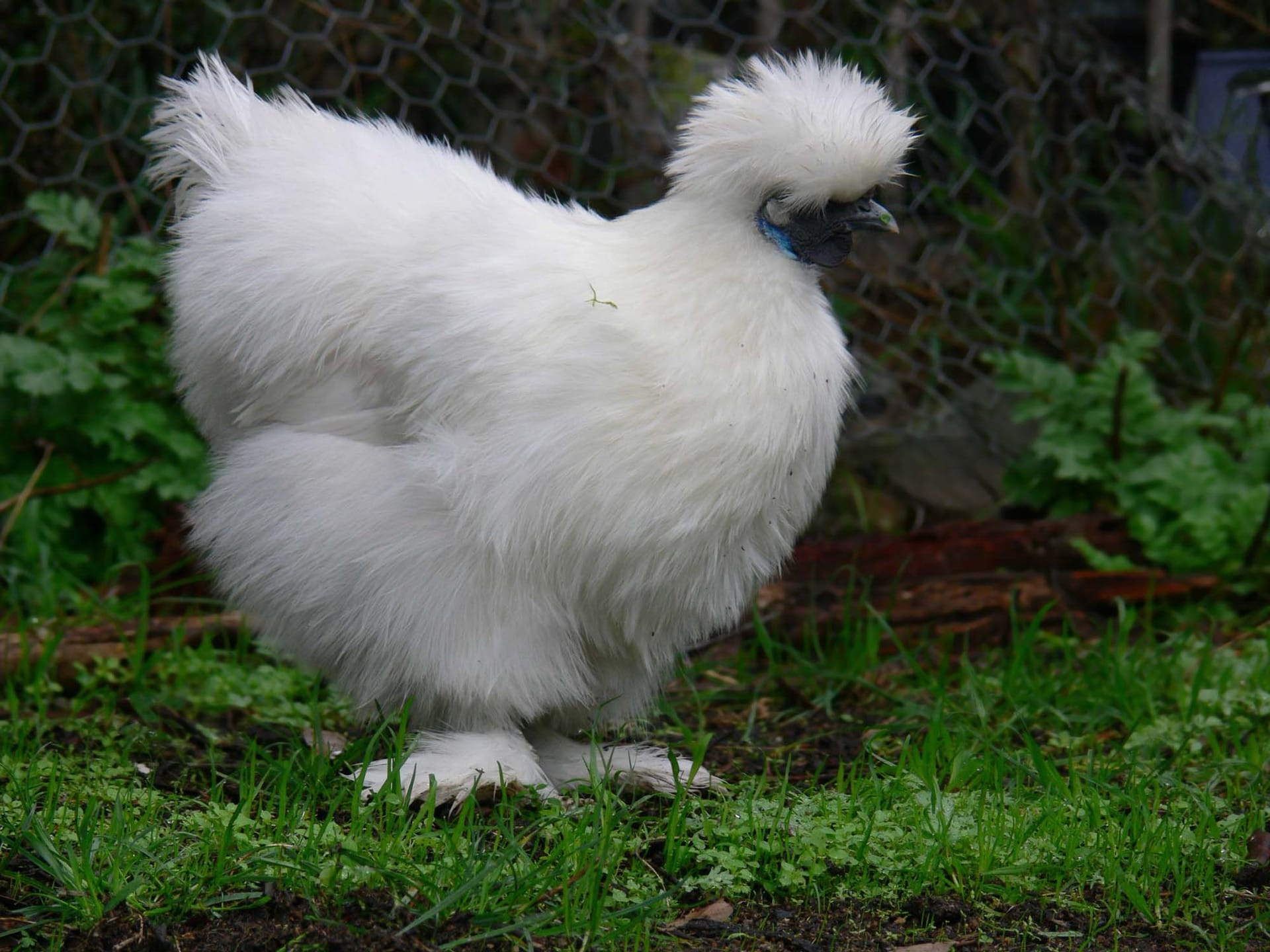
How many chickens should you start with?
Three or four is the sweet spot for a first-time UK keeper. Chickens are flock animals. A single bird is a stressed bird, and a pair becomes a lonely one the moment a fox or illness takes one. Three creates resilience; four gives you a soft buffer for losses without the bullying problems that crop up in larger starter flocks.
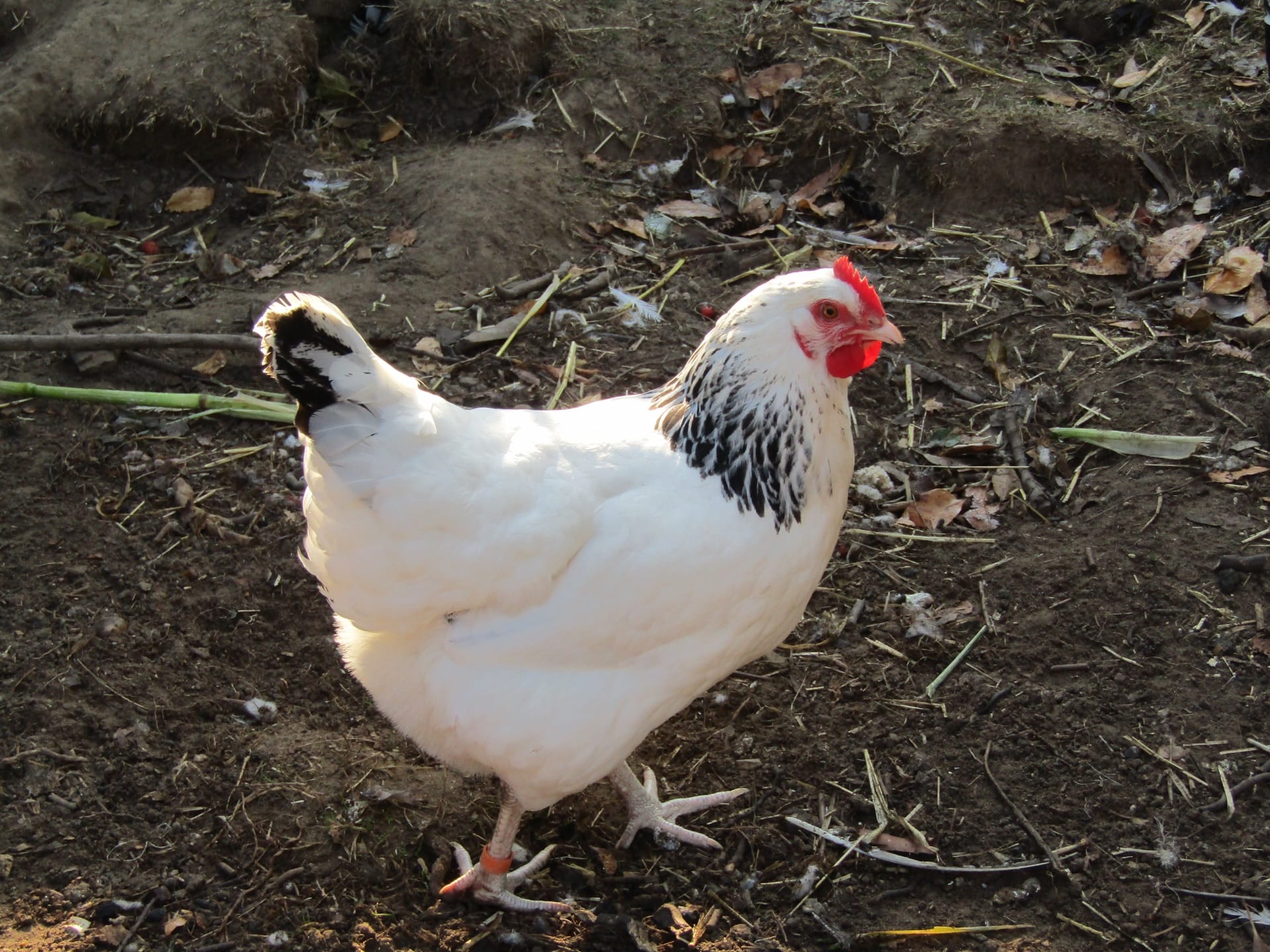
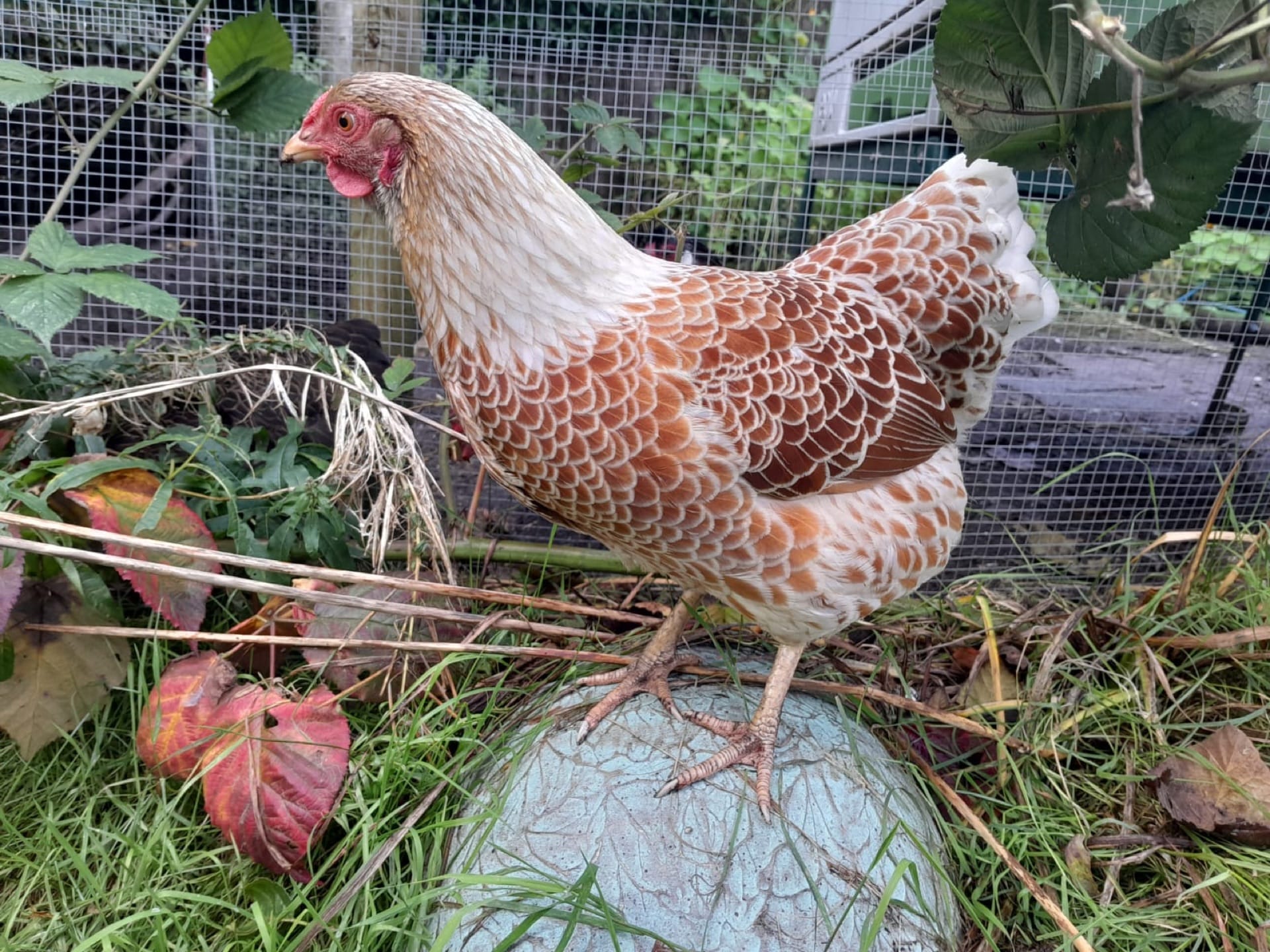
Egg yields vary by breed. Three good UK garden hens (a mix like a Light Sussex, a Speckledy and a Rhode-Island cross) will give you 14 to 18 eggs a week through spring and summer, dropping to 5 to 8 in the British winter.
Space, coop and run. The UK reality
British weather is the hidden variable. Your run will be muddy from November to March, so plan double the space the books recommend if you want grass to survive.
| Element | Minimum | Realistic UK |
|---|---|---|
| Coop floor | 0.4 sq m (4 sq ft) | 0.5 to 0.6 sq m (5 to 6 sq ft) |
| Run | 4 sq m (43 sq ft) | 8 to 10 sq m |
| Perch length | 20 cm | 25 to 30 cm |
| Nest box | 1 per 3 to 4 hens | 1 per 3 hens, raised off floor |
What a daily routine actually looks like
The realistic UK daily routine
- 1
Morning (5 mins)
Open the coop, check water, scatter a handful of pellets, collect any overnight eggs.
- 2
Midday (optional)
Free-range if your garden allows; offer a small scratch feed of corn.
- 3
Evening (5 mins)
Top up feed and water, count birds back in, lock the coop securely against foxes.
- 4
Weekly (20 mins)
Clean droppings tray, top up bedding, check feet and feathers for mites or injury.
- 5
Monthly (1 hour)
Full coop strip and clean with poultry-safe disinfectant; refresh nest box bedding.
Real UK costs in 2026
Marketing photos show a £200 coop and contented hens. The reality is closer to £500 once you've added a fox-secure run, layers' pellets for a year, mite powder and the inevitable vet trip.
- Coop + run (secure, fox-proof, 3 to 4 birds): £300 to 500
- 3 point-of-lay hybrid hens: £75 to 105 total (£25 to 35 each)
- First-year feed (layers' pellets): £180 to 220
- Bedding (hemp or wood shavings): £60 to 80
- Wormer + mite control: £25
- Drinker, feeder, grit, oyster shell: £45
Avian flu and UK housing orders
What the law requires
UK chicken keeping is lightly but firmly regulated. The headlines you must know:
- Register your flock: APHA in England and Wales, the Scottish Kept Bird Register in Scotland, DAERA in Northern Ireland. Free, online, mandatory.
- You cannot feed kitchen scraps to chickens. Even from a vegetarian kitchen. This rule is strict and the fines are real.
- Selling eggs at the gate is fine; selling to a shop puts you under egg-marketing rules.
- Check your local authority. Some terraced and rented properties have covenants against poultry.
This guide is general information, not formal legal, financial, medical or veterinary advice. UK rules, prices and best practice change, and some rules differ across England, Scotland, Wales and Northern Ireland, so always check the current position with the relevant official source (such as gov.uk, the NHS, the FSA, DEFRA or APHA, or the RHS) or a qualified professional before acting. Last checked September 2026.
Frequently asked questions
Sources
- Poultry registration. Guidance , DEFRA
- Bird flu (avian influenza): how to spot and report it in poultry , DEFRA
- Re-homed hens , British Hen Welfare Trust
Kit for this job (Ad)

Back-2-Nature Small Animal Bedding and Litter, 30 L (Packaging may vary)
Check price on Amazon →
Back 2 Nature Bedding and Litter, (10l) Highly Absorbent 99% Recycled Paper Litter for Small Pets, Dry & Fresh Smelling Rabbit, Bird, Ferret and Hamster Cage, Soft, Safe & Compostable Hamster Bedding
Check price on Amazon →
How to Speak Chicken: Why Your Chickens Do What They Do & Say What They Say
Check price on Amazon →
Lock & Lock HPL954 Multi-Use Storage and Transportation Box for 12 Eggs
Check price on Amazon →We may earn a small commission, at no cost to you. We only list kit we'd use.
Written by
UK Homesteading Team
Editorial team
The UK Homesteading editorial team, offering UK-specific, evidence-led guidance on growing, keeping, preserving and the law.