Coop sizing. What works in practice
Manufacturers routinely oversell capacity. A coop marketed "for 6 hens" is, in practice, a coop for 3. Here's the honest formula for a UK back garden:
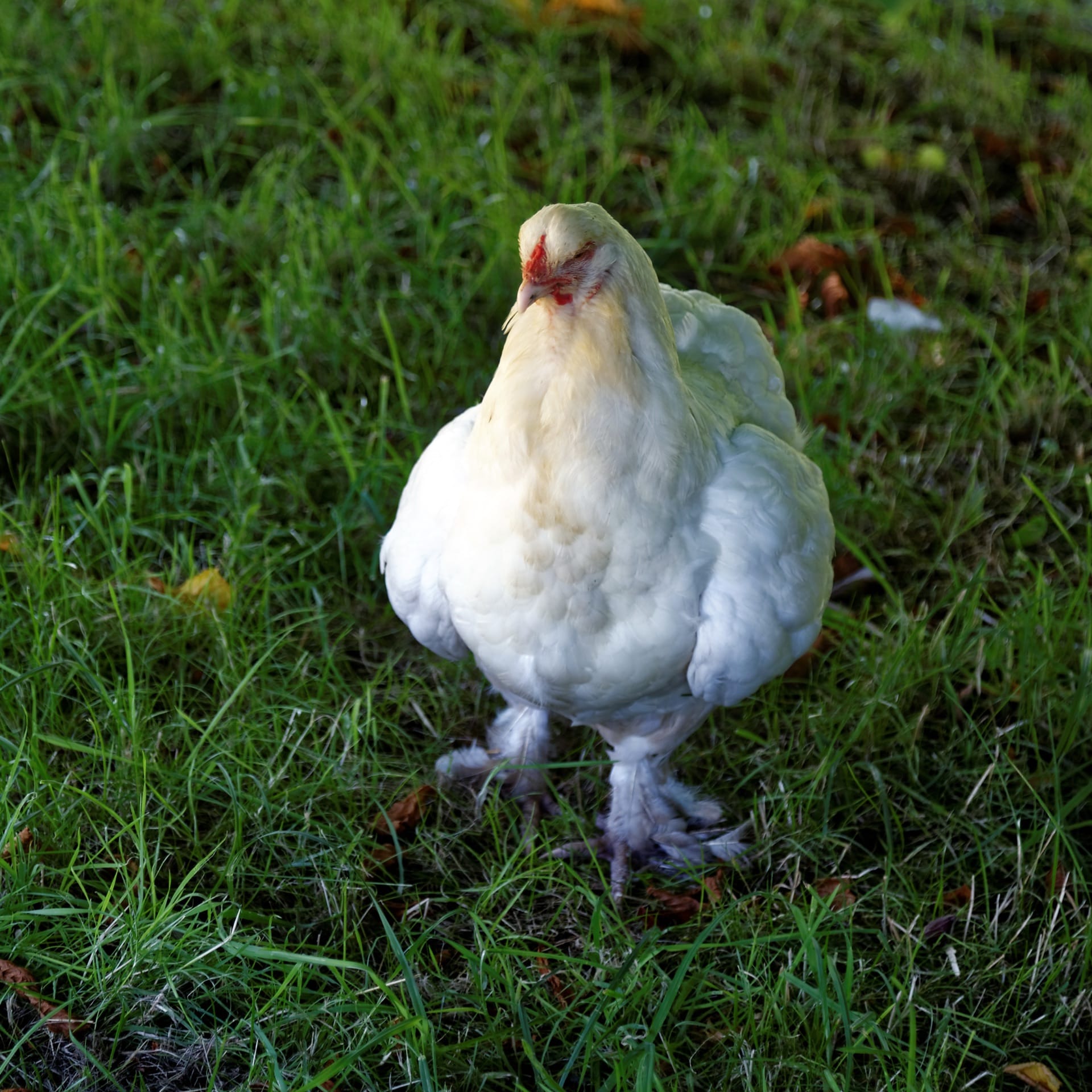
- Floor space: 1m² per 3 hens of standard size (Sussex, Warren). Bantams need less; big breeds (Orpington, Brahma) need more.
- Perch length: 30cm per hen, on perches all set at the same height. Different heights cause squabbles over who gets the top spot.
- Nest boxes: one per 3 hens. They'll share anyway. Don't be talked into one box per hen, they'll all queue for the same favourite regardless.
- Headroom: 1.5m minimum if you want to stand up and clean it properly. Skip this and cleaning becomes a chore you put off.
Whatever figure you land on, add 50%. The flock you actually end up keeping is always bigger than the one you planned.
The run. Bigger than the coop matters more
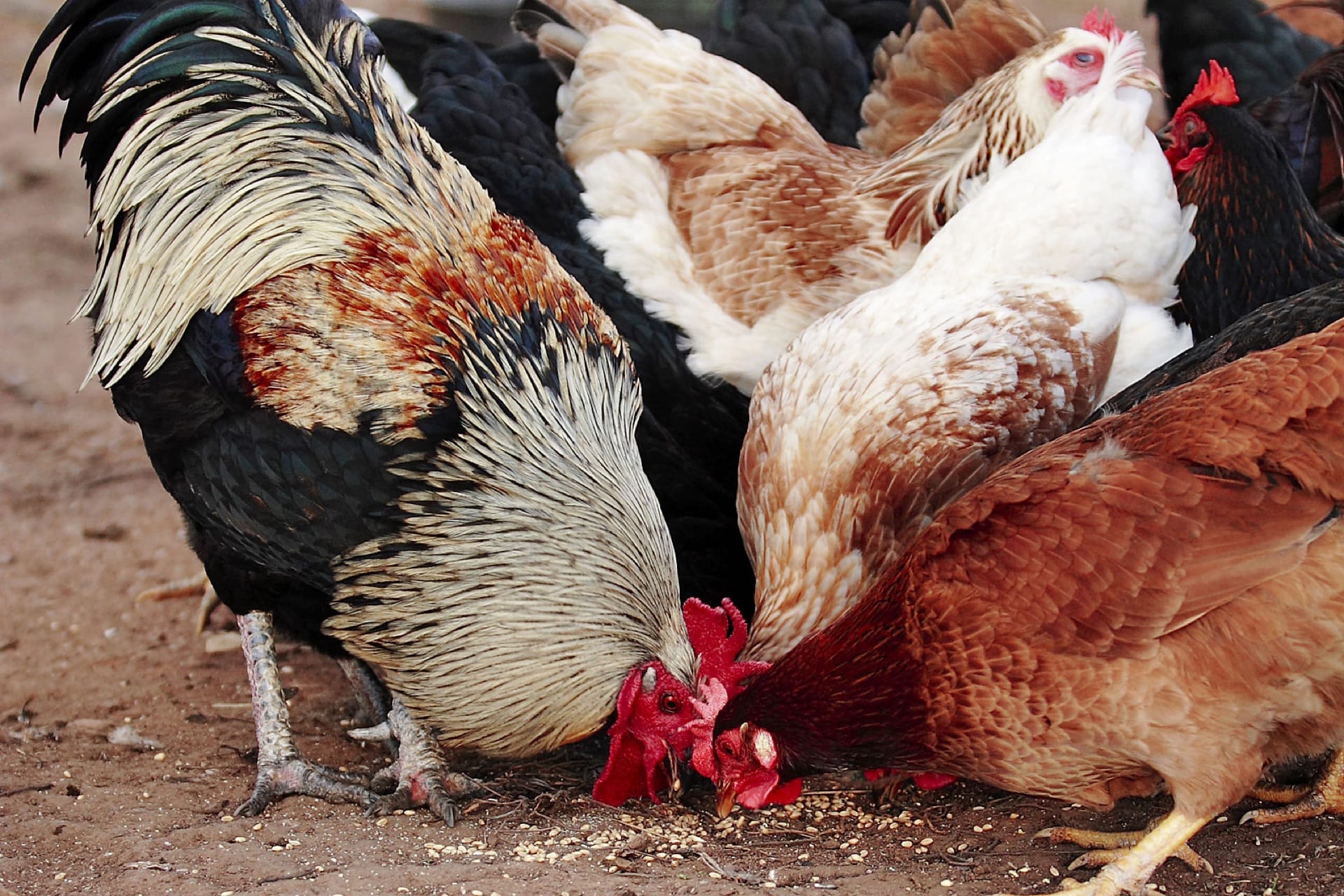
The coop is for sleeping and laying; the run is where hens spend their days. A cramped run causes feather-pecking, parasites, and the kind of egg-laying drop-off no amount of coop quality will fix.
Minimum: 4m² of secure attached run per hen. Better: 8 to 10m². If you can supervise free-ranging in the garden too, the secure run can be smaller. Though letting hens roam a typical UK back lawn unsupervised is rarely safe for more than an hour at a stretch (sparrowhawks, next-door's cat, and the temptation of the road all play a part).
Predator-proofing: the UK shortlist
The threats shift by region, but the priorities don't.
Fox. Found everywhere in the UK. Most attacks happen at dawn or just after dusk. Your defences:
- Welded weldmesh on every wall. Never chicken wire, foxes tear straight through it.
- A 60cm horizontal L-skirt of the same mesh, pegged down at ground level. Foxes will dig at the base of a run for a few minutes before giving up.
- A coop door locked every single night at dusk.
- Mesh or netting over the run roof. Foxes climb a 6ft fence and drop straight in.
Rat. Also everywhere. They're after the feed, not the hens, but their tunnels let foxes in and they carry disease.
- A hopper feeder that closes overnight, or a treadle feeder that only opens when a hen stands on it.
- Feed inside the coop only, never scattered on the ground.
- Concrete or paving slabs under the coop and feeder.
Sparrowhawk and buzzard. A real risk for free-ranging hens, especially young birds and bantams. A roofed run is the only fix that actually works; a scarecrow CD on a string isn't.
Pine marten. Scotland and parts of mid-Wales. You need a fully roofed weldmesh run with no gap over 25mm.
Domestic dog and cat. Rare, but devastating when it happens. Fence the garden fully, then treat the run as a second barrier and the coop as a third.
Ventilation. The silent killer
Hens give off a surprising amount of moisture overnight. Without ventilation, it condenses on the coop ceiling and walls, the bedding turns damp, ammonia builds up, and respiratory infections follow. By February, the whole flock's sneezing.
The fix is permanent high-level ventilation: vents at roof height on opposite walls, covered with weldmesh to keep predators out. That way the draught flows above the hens, not across them. Plenty of starter coops come with only a token vent, or none at all. Drill and fit your own.
A quick check: open the coop in the morning. Foggy windows or damp bedding under the perch means you need more ventilation, not less.
Floor and bedding
Three options that work well in UK conditions:
- Deep litter wood shavings. Easi-bed, dust-extracted shavings or hemp, 5 to 10cm deep. Spot-clean droppings under the perch daily, full change every 4 to 6 weeks.
- Removable droppings tray. A slide-out tray under the perch with sand or wood pellets, scraped daily. Keeps the coop cleaner for longer.
- Plastic-floored coop with a weekly hose-down (Eglu-style), easy and hygienic, though condensation runs higher if ventilation is poor.
Skip straw. It tangles in crops, attracts mites, and holds damp. Skip newspaper on its own too. It's slippery, and heavy breeds can injure a leg on it.
A clean, dry coop with good airflow keeps three hens healthier than any vitamin or supplement going.
Position in the garden
Site the coop on the highest, driest ground you've got, sheltered from the prevailing wind (south-westerlies across most of the UK), with morning sun on the front. Distance from the house: 4 to 6m is the sweet spot. Close enough to hear if something's wrong, far enough that the run smell never reaches the back door.
Don't tuck it against a fence on three sides. You'll regret it the first time you need to get round the back for cleaning or repairs. Leave at least 60cm of access all the way round the coop and run.
Frequently asked questions
Kit for this job (Ad)

Back-2-Nature Small Animal Bedding and Litter, 30 L (Packaging may vary)
Check price on Amazon →
Back 2 Nature Bedding and Litter, (10l) Highly Absorbent 99% Recycled Paper Litter for Small Pets, Dry & Fresh Smelling Rabbit, Bird, Ferret and Hamster Cage, Soft, Safe & Compostable Hamster Bedding
Check price on Amazon →
Okkobi Automatic Chicken Coop Door Solar Powered - LCD Display - Chicken Coop Door with Remote Control, Light Sensor & Timer - Security & Peace of Mind: Anti-Pinch function - 5-Year Protection - Grey
Check price on Amazon →
12 Volt Battery Powered Electric Fence Energiser XSTOP BA80 10Km Range, 0.6 Joule Output, Weatherproof Kit Includes Leads and Earth Stake. For Horses and Other Animals
Check price on Amazon →We may earn a small commission, at no cost to you. We only list kit we'd use.
Written by
UK Homesteading Team
Editorial team
The UK Homesteading editorial team, offering UK-specific, evidence-led guidance on growing, keeping, preserving and the law.