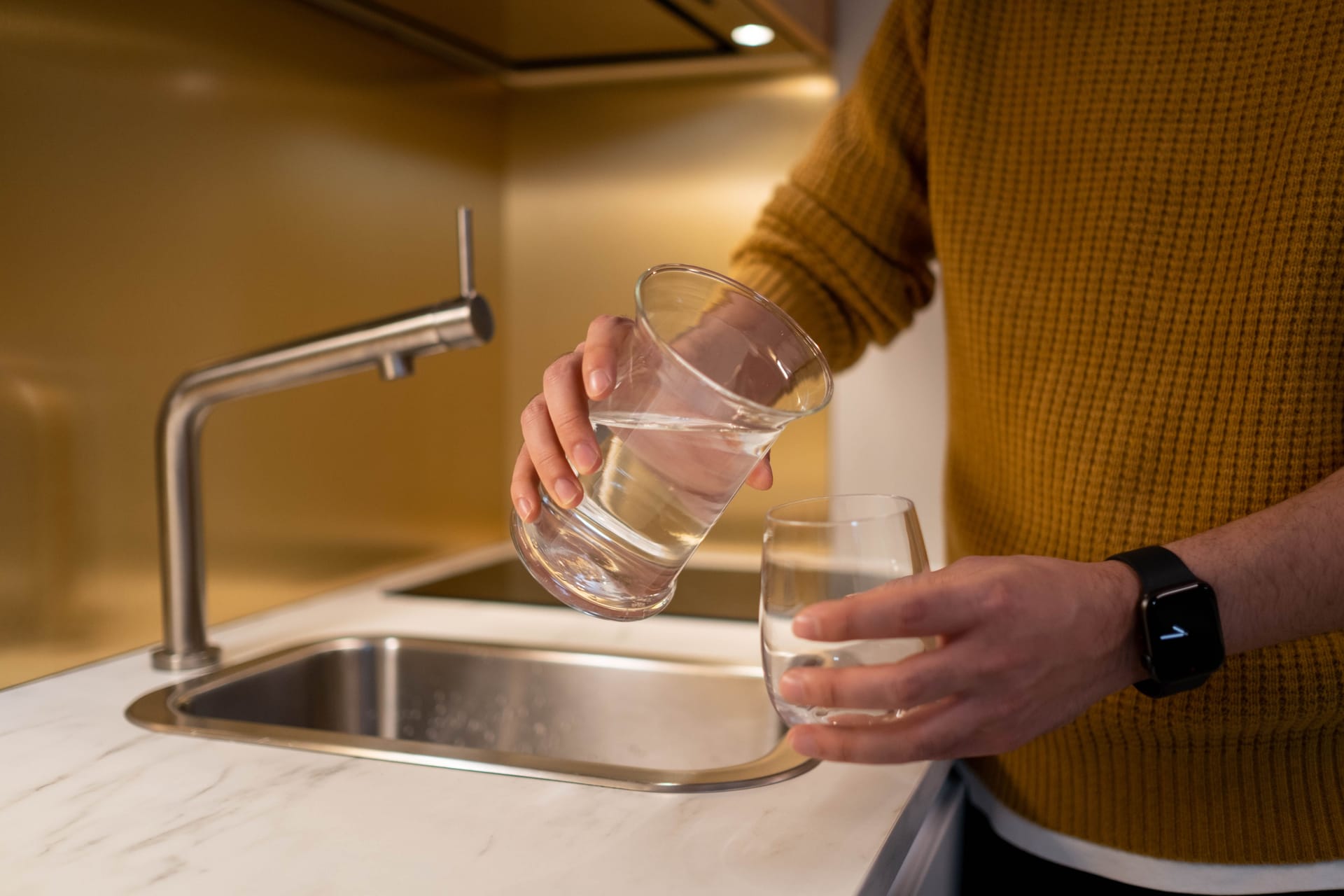
Copper water bottles are everywhere now, from yoga studios to the top of the Amazon listings, usually wrapped in big promises about detoxing your body and giving you glowing skin. Most of those promises don't hold up. But underneath the wellness gloss sits a genuine, centuries-old idea with real science behind it, and the two are worth pulling apart. Here's what storing water in copper actually does, where the honest limits are, and how to use a copper bottle or jug safely if you fancy the ritual.
The real science: what copper water genuinely does
Copper has a property scientists call the oligodynamic effect, which is a fancy way of saying that copper ions kill microbes on contact. This isn't folklore. In 2008 the US Environmental Protection Agency registered hundreds of copper alloys as genuine antimicrobial surfaces, the first solid materials ever allowed to make that claim, after lab testing showed they kill more than 99.9% of certain bacteria within a couple of hours of contact.
The same effect works in water. In a well-known study, researchers deliberately contaminated water with the bacteria that cause diarrhoea, cholera and typhoid, then stored it in copper pots at room temperature. After 16 hours, they could recover no living bacteria at all. Crucially, the amount of copper that had dissolved into the water was about 0.18 mg per litre, roughly a tenth of the World Health Organization's safe limit of 2 mg per litre. A separate study reached the same result and showed how it happens, with copper ions causing the kind of damage that breaks bacteria down. So the headline is real: water left standing in copper for several hours ends up with far fewer bugs in it, and stays safe to drink.
There's a second, quieter benefit. Copper is an essential trace mineral. The NHS says adults need about 1.2 mg a day, and it does real work in the body: helping make red and white blood cells, releasing iron so you can form haemoglobin, and supporting your nerves, bones and immune defences. You get most of it from food, but water stored in copper contributes a little too.
What it doesn't do (the honest bit)
This is where most copper-bottle marketing goes wrong, so it's worth being blunt.
It does not detox you, help you lose weight, slow ageing or cure any illness. There's no good evidence for any of that. Those claims mostly take copper's ordinary role as a dietary mineral and inflate it into something magical.
It is not a water filter. Copper reduces certain bacteria, but it does nothing about chlorine, limescale, lead, pesticides or sediment, and it will not turn genuinely unsafe water into safe water. If your tap water tastes of chlorine or furs up the kettle, that's a filter's job, not copper's.
And it only works on standing water. The antimicrobial effect needs hours of contact, so filling a bottle in the morning and sipping through the day does almost nothing. That "kills 99.9% of germs" figure you'll see quoted is from dry copper surfaces in a lab, not your water bottle after ten minutes.
Is it safe? The leaching question
For plain water, yes. The thing that makes copper water safe is the same thing that makes acidic drinks in copper dangerous: how fast copper dissolves depends on what it's sitting in. Neutral water dissolves only a tiny, harmless amount. Acid dissolves a lot, fast.
| Fine in a bare copper vessel | Never in a bare copper vessel |
|---|---|
| Plain tap or filtered water | Lemon or lime water |
| Water left to stand for a few hours or overnight | Fruit juice, squash or cordial |
| Water at room temperature | Fizzy or acidic drinks |
| An occasional glass through the day | Vinegar, or anything pickled |
| Milk and dairy drinks |
Keep to the left-hand column and you'll stay comfortably within safe copper limits. Stray into the right-hand one and you can leach enough copper to cause nausea, stomach pain and vomiting, which are the classic signs of too much copper. It's the same reason traditional copper saucepans are always lined with tin or stainless steel: bare copper and acidic food don't belong together.
How to use a copper bottle or jug well
Getting the genuine benefit, safely
- 1
Plain water only
Fill it with plain tap or filtered water and nothing else. No lemon, no cordial, no fizzy anything. If you want a flavoured drink, reach for glass or stainless steel.
- 2
Let it stand
The antimicrobial effect needs time. Fill the vessel and leave it for six to eight hours, or overnight, before drinking. A quick fill-and-go does very little.
- 3
Hand-wash only
Never put copper in the dishwasher. Rinse with warm water after use and leave it to air-dry upside down. The inside darkening over time is normal and harmless.
- 4
Re-polish the outside now and then
When the outside looks dull, rub it with half a lemon dipped in salt, then rinse thoroughly with plain water and dry. Keep this acidic cleaning to the outside only.
- 5
Don't overdo it
Treat copper water as an occasional habit, not your only source of water. Keep total copper to 10 mg a day or less and take breaks from it.
Copper water or a water filter? They're different jobs
It's easy to lump copper bottles in with water filters, but they solve different problems, and for a British kitchen that distinction matters.
Copper's bacteria-killing trick works on microbes in already-clean water, which isn't the main thing worth worrying about in treated UK tap water. What copper does nothing about is the chemistry: the residual chlorine and disinfection by-products, and, depending on your home and area, the trace PFAS, nitrates or lead that UK tap water can legally carry. Removing those is a filter's job, not copper's, and a plumbed-in carbon or reverse osmosis filter does far more than a copper bottle ever could. Our guide to what's really in UK tap water, and which filter removes it walks through it honestly.
Copper is a different, more traditional thing: a pleasant daily ritual with one narrow, real benefit. Enjoy it for what it is, not as a water-treatment upgrade.
Buying one, honestly
If you like the idea, a few things are worth knowing before you spend.
Get real, unlined copper. The water has to touch bare copper for any effect, so avoid bottles with a lacquered or sealed "antique" finish, and steer well clear of anything simply described as "copper-coloured", which is usually coated steel or aluminium with none of the benefit. A hammered finish is purely about looks, so choose whichever you find prettier. Most bottles hold 750 ml to a litre, which is plenty for an overnight fill.
Go in knowing it needs a little care. Copper tarnishes, wants hand-washing, and will develop a patina over time. That's part of owning it, not a fault. (Ad) If you want to browse options, you can see copper water bottles on Amazon, just check the description actually says solid, unlined copper before you buy.
This guide is general information, not medical advice. Copper water is not a treatment for any illness and not a substitute for proper water treatment where a supply is unsafe. If you have Wilson's disease, liver or kidney disease, are pregnant, or give water to a baby or young child, speak to your GP or pharmacist before drinking water stored in copper. The science and safe-limit figures here draw on the NHS, WHO, EFSA and the peer-reviewed studies listed above. Last checked July 2026.
Frequently asked questions
Sources
- Vitamins and minerals: Others (copper) , NHS
- Copper in Drinking-water: Background document for WHO Guidelines , World Health Organization
- Storing Drinking-water in Copper pots Kills Contaminating Diarrhoeagenic Bacteria , Journal of Health, Population and Nutrition (2012)
- Inactivation and sub-lethal injury of Salmonella and Vibrio cholerae in copper water storage vessels , BMC Infectious Diseases (2011)
- Dietary Reference Values for copper , European Food Safety Authority (EFSA)
- Copper (micronutrient information) , Linus Pauling Institute, Oregon State University
- Copper Toxicity , StatPearls, National Library of Medicine
Written by
UK Homesteading Team
Editorial team
The UK Homesteading editorial team, offering UK-specific, evidence-led guidance on growing, keeping, preserving and the law.