Laundry is one of the first places people go looking for a greener, cheaper, kinder routine, and no wonder. A weekly wash gets through a lot of plastic bottles, a lot of money and a lot of fragranced chemistry that not everyone's skin loves. The trouble is that the natural-laundry world is full of both genuinely good options and wishful thinking, and the two are rarely told apart honestly. This guide does that. Some of these swaps work well. Some quietly underperform, especially in Britain's hard water. Knowing which is which will save you a shelf of half-used products and a drawer of dingy whites.
A quick word on language first. There is no such thing as a "chemical-free" wash, because water, soap and detergent are all chemicals. The useful question is not natural versus chemical, but which product actually cleans your clothes, suits your machine and washes out cleanly in your water. Let us take the options one at a time.
Why people look for an alternative
Four reasons come up again and again, and all of them are reasonable. Packaging: big plastic bottles and single-use sachets add up, and sheets, bars, boxes and refills cut that right down. Cost: a wash can be made very cheaply from soda crystals and a bit of soap, and a reusable option spreads its cost over hundreds of loads. Sensitivities: fragrances, dyes and some enzymes can irritate sensitive or eczema-prone skin, so a plainer, fragrance-free wash genuinely helps some households. Ingredients: plenty of people simply prefer a shorter, more recognisable ingredients list and less perfume in the house. None of that is faddish. The mistake is assuming that "more natural" automatically means "cleans as well", because on that point the options really do differ.
The options, weighed honestly
| Option | Rough cost per wash | Everyday cleaning | Hard-water tolerance | Stains and whites |
|---|---|---|---|---|
| Eco plant-based liquid or sheets (buy) | Moderate | Good, a real detergent | Good if dosed correctly | Good, though some are lighter without enzymes/brighteners |
| Soap nuts / soapberries | Low | OK on light soiling | Poor, minerals blunt the saponins | Weak on stains and whites |
| Reusable 'eco egg' type | Low over time | OK on light soiling | Mixed | Limited on tough stains |
| Homemade soap-based powder | Very low | Cleans lightly, but soap not detergent | Poor, forms scum | Weak, can grey whites over time |
| Soda crystals (as a booster) | Very low | Not a standalone cleaner | Excellent water softener | Boosts a real detergent; good as a pre-soak |
1. Eco and plant-based liquids or sheets (the buy option)
If you want a natural wash that behaves like a normal one, this is it. Plant-based liquids, powders and the newer detergent sheets are proper detergents, formulated to lift dirt and rinse away cleanly, and the better ones clean nearly as well as mainstream brands. They cut packaging, come in fragrance-free versions for sensitive skin, and need no faff. The honest caveat is that some of the most eco versions deliberately leave out enzymes and optical brighteners, so they can be a little softer on set-in stains and on keeping whites bright. Detergent sheets in particular vary a lot between brands, so if the first one you try washes weakly, it is worth switching rather than writing the whole category off. Dose for your water hardness, not just the load size, and you will get the best out of them.
2. Soap nuts (soapberries)
Soap nuts are the dried shells of the soapberry, and they genuinely contain a mild natural surfactant called saponin that foams a little in warm water. Pop a few in a cotton bag in the drum and they will freshen lightly soiled everyday clothes, they are gentle on skin, and the spent shells compost. That is the fair case for them. The fair case against is that they are weak where it counts: greasy stains, sweat, whites and hard water all defeat them, and because the saponins need warmth to release, they do very little in a cold 30°C wash and are happiest from about 40°C. Think of them as a gentle option for easy loads, with stains spot-treated separately, rather than a full detergent.
3. A reusable "eco egg" type
Reusable laundry eggs and similar devices hold mineral and cleaning pellets in a refillable case that you drop in the drum, and they can last hundreds of washes, which is the appeal on cost and packaging. Users' experiences are genuinely mixed, and that is worth saying plainly: many people find them fine for everyday, lightly soiled laundry, while others find them underwhelming on stains. When the Good Housekeeping Institute looked at one, it found stain removal was best on cottons, which fits the pattern for all the gentler options. If you try one, keep a stain treatment to hand and do not expect miracles on heavily worn work clothes.
4. Homemade powder (with the honest caveats)
This is the classic homesteader's recipe, and it is the one that most needs straight talk. A typical mix is grated pure soap or soap flakes, soda crystals (washing soda) and often a scoop of sodium percarbonate (oxygen bleach). Here is a sensible version.
A basic homemade laundry powder
- 1
Grate the soap
Finely grate about 100g of a plain pure soap or use ready-made soap flakes. The finer it is, the better it dissolves.
- 2
Add soda crystals
Mix in about 200g of soda crystals (washing soda). These soften the water and cut grease, and are the real workhorse of the mix.
- 3
Add an oxygen booster (optional)
Stir in around 100g of sodium percarbonate (oxygen bleach) for stain and whites performance. Leave it out for wool and silk.
- 4
Store and dose
Keep it dry and lump-free in a sealed jar. Use roughly 1 to 2 tablespoons per load, more in hard water. Add it to the drum, not a wet drawer.
Now the caveats, because they are the whole point of an honest page. What you have made is essentially soap, not detergent, and that matters. In hard water the soap reacts with dissolved calcium and magnesium to form a sticky scum, the same film you get round a bath, which can build up in the fabric and leave whites looking grey, towels feeling stiff and less absorbent, and can contribute to a musty machine. First-hand accounts of exactly this are easy to find: whites going yellow and dingy after a few months, and residue collecting in the machine. Some appliance manufacturers and repairers specifically advise against homemade soap mixes and warn they can affect your warranty. None of this is a certainty, and people in soft-water areas often use these mixes happily for years, but modern synthetic detergents are formulated the way they are for a reason: they rinse away cleanly and do not scum up in hard water. If you go homemade, favour soft or softened water, keep the soap dose modest, add plenty of soda crystals, and run a monthly hot maintenance wash to clear any build-up.
5. Plain soda crystals as a booster
The most reliable "natural" win here is not a replacement at all, it is an add-on. Soda crystals (washing soda, sodium carbonate) soften the water and cut grease, which lets a normal detergent work better so you can use less of it. Dri-Pak, a long-standing UK maker, suggests adding roughly 25g in medium-hard water, 50g in hard water and 75g in very hard water alongside the soft-water dose of your usual detergent, put in the drum if the liquid goes in the drawer or vice versa so it does not clump. They are also excellent for a stain pre-soak and for the monthly hot maintenance wash that keeps a machine sweet. If you do nothing else from this page, adding soda crystals in a hard-water area is the change that pays off fastest. There is a full rundown on our soda crystals uses guide.
Hard water changes everything
You cannot talk about natural laundry in Britain without talking about hard water, because it is the single biggest reason a natural wash disappoints. Water hardness comes from dissolved calcium and magnesium picked up from chalk and limestone, and much of southern and eastern England sits on exactly that geology. By widely reported estimates around 60% of the UK has hard or very hard water. As the Drinking Water Inspectorate notes, hard water "produces less lather from soap, washing up liquid and washing powders" and leaves scale and scum behind, which is precisely why soap-based and saponin-based options struggle in so much of the country.
Two things follow. First, soften the water, with soda crystals or, if you have one, a plumbed water softener, so your cleaner is not wasted fighting minerals. Second, dose correctly. Detergent makers are clear that hard water needs more detergent, not less, to work properly. The common mistake is under-dosing a natural product to be economical or gentle, and then getting a grey, faintly smelly wash and blaming the product. In hard water, dose up a little and add a softener rather than skimping.
Practical wins everyone can use
Whatever you wash with, these habits do more for a greener, cleaner result than the choice of product itself.
- Wash cooler, but not only cool. A 30°C wash saves energy and is fine for everyday loads. The trade-off is that cool washes with the gentler cleaners leave more residue, so run an occasional 60°C wash on towels, bedding and the empty machine to keep everything, and everyone, fresh.
- Use the right amount, often less. Overdosing leaves residue; underdosing leaves grime. Match the dose to your load and your water hardness rather than sloshing in a capful out of habit.
- Add soda crystals in hard water. As above, this is the highest-value tweak in most of England.
- Swap fabric conditioner for white vinegar in the rinse. A small splash of white vinegar in the fabric-conditioner compartment softens naturally, helps rinse out residue and cuts limescale, without coating fibres in fragrance. There is more on this on our fabric conditioner alternatives guide.
- Keep the machine clean. Gentle, cool washes let residue and biofilm build up in the seal, drawer and filter, which is where musty smells come from. A regular clean sorts it, and we walk through the full method on our how to clean a washing machine naturally guide.
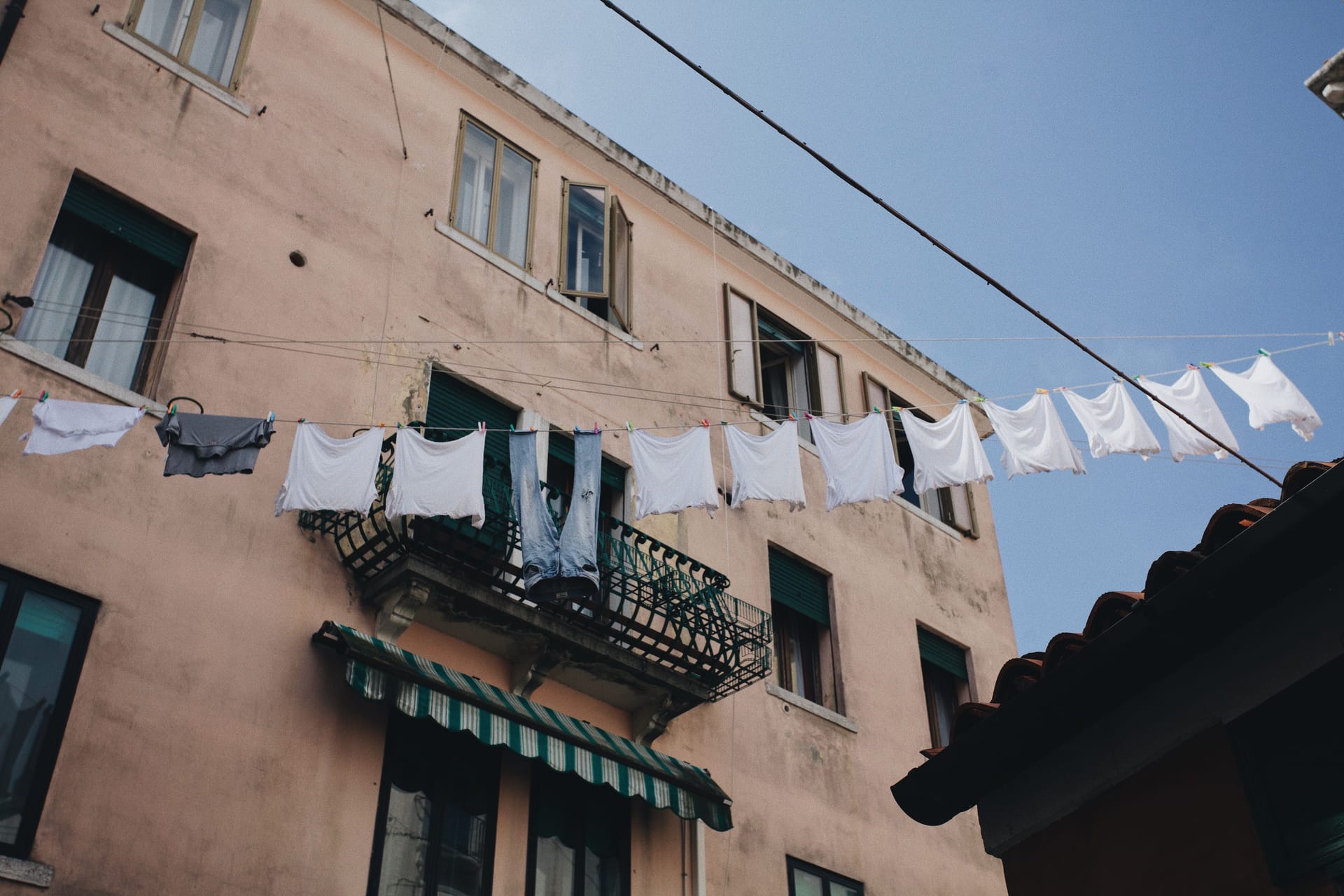
- Dry outside. A line in the fresh air is free, gentle on clothes, and daylight naturally brightens whites and helps with odours. It is the most natural finish there is.
So what should you actually use?
If you want performance close to a normal wash with less packaging and a plainer ingredients list, buy a good plant-based liquid or a well-reviewed detergent sheet, dose it for your water, and add soda crystals if you are in a hard-water area. If you want the gentlest, lowest-waste route and mostly wash lightly soiled everyday clothes in soft water, soap nuts or a reusable egg may suit you, with a stain treatment kept to hand. If you love the homesteader's homemade powder, enjoy it with clear eyes: it is cheapest and lowest-waste, but it is soap not detergent, it is happiest in soft water, and it rewards modest dosing, plenty of soda crystals and a regular hot maintenance wash. The honest headline is simple. Natural laundry can absolutely work, but only if you match the method to your water and your washing, rather than expecting any single swap to be a magic replacement.
Prices, product formulations and the performance of specific brands change, and water hardness varies a lot by postcode, so treat costs and dosing here as general guidance and check your own water hardness with your water company. Last checked July 2026.
Frequently asked questions
Sources
- Frequently asked questions about traditional cleaning products (soda crystals, laundry dosing, machine maintenance) , Dri-Pak Ltd
- Laundry cleaning tips (soda crystals in the wash) , Dri-Pak Ltd
- Water hardness / hard water , Drinking Water Inspectorate (DWI)
- 5 reasons you shouldn't use homemade laundry detergent (soap-versus-detergent, build-up, whites going grey) , Going Zero Waste (Kathryn Kellogg)
- How living in a hard water area affects your laundry (dosing up in hard water) , Ariel UK (Procter & Gamble)
- The pros and cons of the ecoegg (Good Housekeeping Institute testing reference) , smol
- DIY natural cleaning products , Moral Fibres
Kit for this job (Ad)

Minky 3 Tier Plus 21m Airer, Holds Up to 21kg, Hanger Corners
Check price on Amazon →
Minky Premium Tier Clothes Airer Airer, Indoor airer, Clothes drying (3 Tier White)
Check price on Amazon →
Clean People Laundry Detergent Sheets - Recyclable Packaging, Hypoallergenic, Stain Fighting - Ultra Concentrated, Laundry Soap - Fresh Scent, 32 Pack
Check price on Amazon →
EcoZone Soap Nuts Natural Laundry Detergent, 100% Organic Biodegradable Washing Machine Pellets, Plastic Free, Effective Eco Cleaning for Clothing & Fabrics, Hypoallergenic & Vegan Friendly (300g Bag)
Check price on Amazon →We may earn a small commission, at no cost to you. We only list kit we'd use.
Written by
UK Homesteading Team
Editorial team
The UK Homesteading editorial team, offering UK-specific, evidence-led guidance on growing, keeping, preserving and the law.