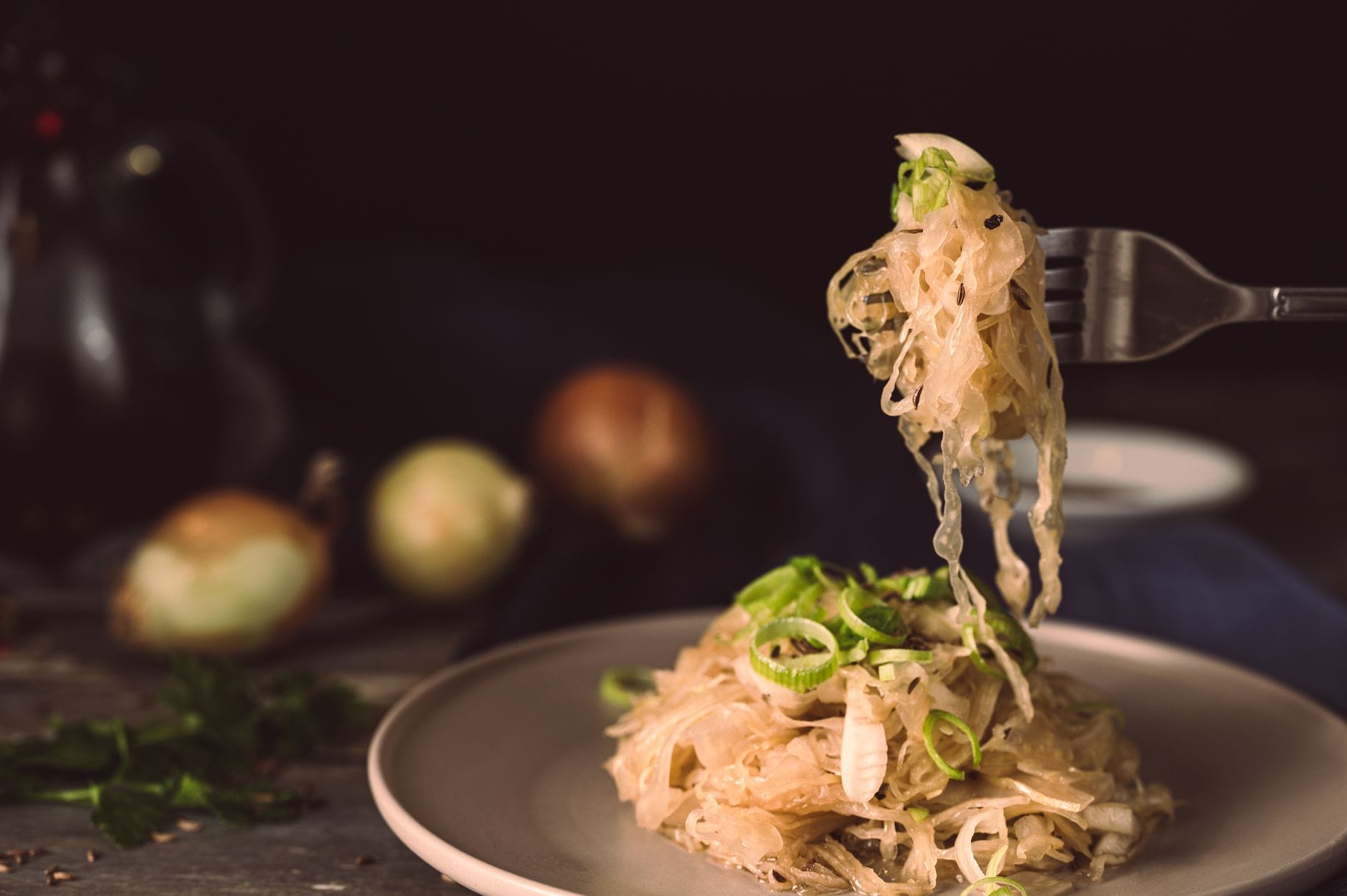
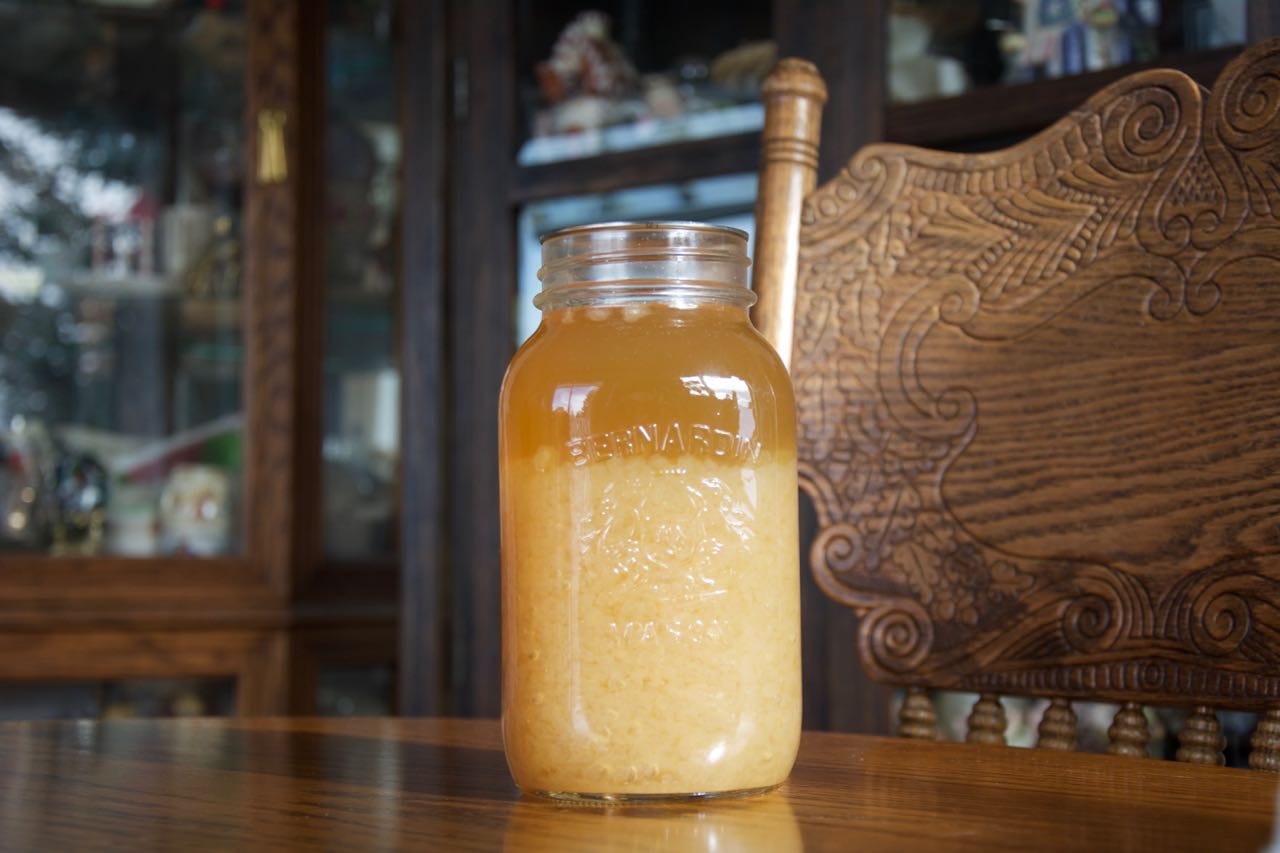
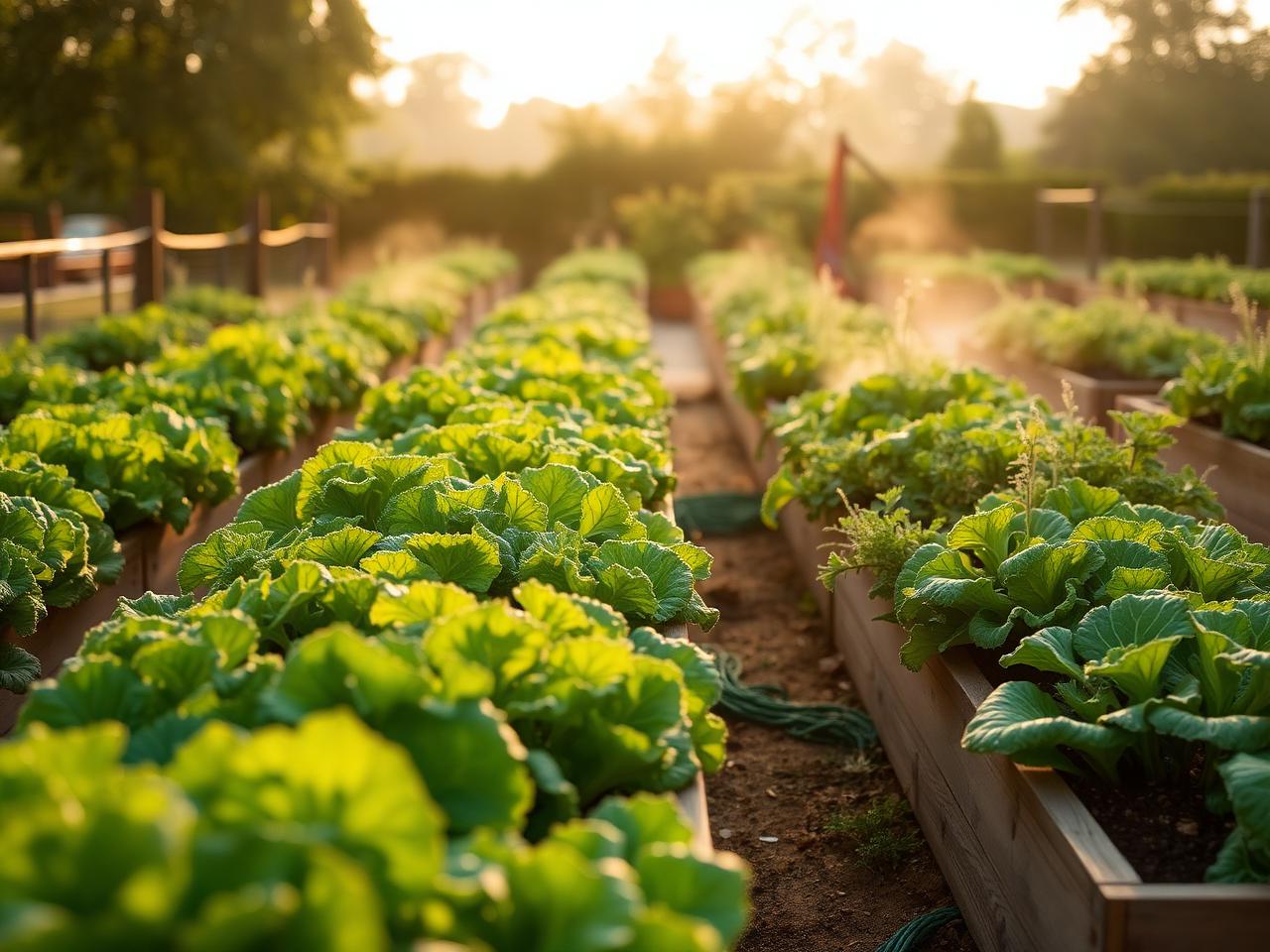
Real kimchi needs almost nothing: cabbage, salt, chilli and a few days. The living fizz comes from lacto-fermentation and its lactic acid, the same gut-friendly process behind sauerkraut. The one thing that makes or breaks a batch is keeping the cabbage under its brine, so pack it tight and press it back down every day.
Homemade Kimchi (Lacto-Fermented Napa Cabbage)
Makes Fills a 1.5 litre jar, about 1.2 kg (roughly 20 servings)
Prep
30 min
Total
30 min
Makes
Fills a 1.5 litre jar, about 1.2 kg (roughly 20 servings)
Ingredients
Cabbage and salt
Chilli paste
Extra veg
Method
- 1
Toss the cabbage with the 40 g salt in a large bowl until evenly coated. Leave for 1.5 to 2 hours, turning every 30 minutes, until a leaf bends without snapping.
- 2
Rinse the cabbage three times in cold water, then drain in a colander for 20 to 30 minutes. Taste a piece: it should be lightly salty, like seawater, not harsh.
- 3
Stir the gochugaru, garlic, ginger, sugar, fish sauce (or miso and soy) and cold water together into a loose paste.
- 4
Put on the gloves. Combine the drained cabbage, mooli and spring onions in the bowl, then add the paste.
- 5
Massage the paste through the vegetables for 1 to 2 minutes, until everything is evenly red and glossy.
- 6
Pack the kimchi tightly into the clean 1.5 litre jar, pressing down firmly to push out air pockets. Leave about 3 cm of headspace so the brine rises to cover the vegetables.
- 7
Loosely close the lid and stand the jar on a plate. Ferment at cool room temperature, 18 to 21°C, out of direct sun.
- 8
Once a day, press the vegetables back under the brine with a clean spoon, then briefly open (burp) the lid to release the gas and reseal.
- 9
Start tasting from day 3. When it is pleasantly sour and fizzy, usually after 3 to 5 days, move it to the fridge. It is even better after another 1 to 2 weeks and keeps for months.
Cook’s notes
- Salt is the safety control. Keep the salt in the finished jar to around 2% of the weight: rinse the brining salt off, but do not rinse it bland.
- Always use plain, non-iodised salt. Iodine and anti-caking agents cloud the brine and slow the good bacteria.
- Keep everything under the liquid. Submerged cabbage is protected, exposed cabbage grows mould.
- Warmer ferments faster and sourer, cooler stays crunchier. 18 to 21°C is the reliable window.
- Use gochugaru only. Paprika or cayenne miss the colour, the gentle fruitiness and the texture.
- For a vegan jar, swap the fish sauce for light miso and soy, and add a strip of dried kelp or a dried shiitake for extra savour.
What you’ll need
- Large mixing bowl
- Digital kitchen scales, For weighing the salt accurately, which controls both flavour and safety
- Clean 1.5 litre jar with a lid
- Disposable gloves, The chilli paste stings bare hands
- Small plate or a fermentation weight, To help keep the cabbage submerged
Troubleshooting
Too salty
Rinse the brined cabbage more thoroughly, giving it one extra full rinse before you drain. For a finished batch that tastes sharp, stir through a handful of plain shredded cabbage or a splash of water.
Soft or mushy
It was over-brined or fermented too warm or too long. Next time, shorten the salting, ferment somewhere cooler and start with firm, fresh cabbage.
White film on the surface (kahm yeast)
This is a harmless surface yeast from air contact. Skim it off, press everything back under the brine and keep the jar somewhere cooler.
Fuzzy blue, green or black mould
Throw the batch away. It is caused by exposed vegetables, too little salt or an unclean jar. Prevent it by keeping everything submerged and using clean equipment.
Flat, with no tang or bubbles
It is too cold or too salty. Move it somewhere warmer, around 20 to 22°C, and give it a few more days. Next time, check you have not used too much salt.
More about kimchi and how the ferment works
Kimchi keeps because of lacto-fermentation. Salt draws water out of the cabbage and holds back spoilage microbes, which lets the naturally present Lactobacillus bacteria take over. They feed on the sugars in the cabbage and turn them mainly into lactic acid. That acid is what gives kimchi its sour tang, its gentle fizz and its natural staying power.
It is a two-stage process
Think of it in two halves. First you salt or brine the cabbage to wilt and season it and pull out excess water. Then you rinse it, coat it in the chilli paste and let it actually ferment in the jar. The big salt figures you sometimes see in recipes belong to that first stage and are mostly rinsed away. What matters for safety is the salt left in the finished jar, which should sit at roughly 2% of the weight. Too little risks spoilage, too much stalls the good bacteria.
Cabbage, chilli and umami
Napa (Chinese leaf) is the traditional cabbage, but savoy and pointed (hispi) cabbage work well too, which is handy when the shops are short. Gochugaru, the Korean chilli flake, gives kimchi its signature colour and mild, fruity warmth. There is no real substitute: paprika and cayenne miss the colour, the fruitiness and the texture. The savoury depth traditionally comes from fish sauce, salted shrimp or anchovy stock. For a vegan jar you swap in miso, soy or tamari, kelp or dried shiitake instead. It is the savoury flavour you are replacing, nothing more.
Submersion, burping and temperature
Two habits keep a batch healthy. Keep everything under the brine, because submerged cabbage is protected while exposed cabbage grows mould. And burp the jar daily by opening the lid briefly, which releases the carbon dioxide the bacteria produce and stops the jar overflowing. Temperature sets the pace: a few days at cool room temperature, 18 to 21°C, gives a reliable, crunchy result. Warmer weather speeds it up and makes it sourer; winter cold slows it right down.
Food safety, plainly
A thin white film on top is usually kahm yeast. It is harmless: skim it off, press the veg back under the brine and keep the jar cooler. Fuzzy mould that is blue, green or black is different, and any batch with it should go in the bin. It comes from exposed veg, too little salt or an unclean jar, so clean equipment and full submersion are your best defence. When in doubt, trust your nose and eyes.
Storing and using it
Moving the jar to the fridge slows the ferment right down without stopping it, so the flavour keeps deepening for months. Young, fresh kimchi is lovely raw with rice or in a sandwich. Older, sourer kimchi comes into its own cooked, in stews, pancakes or fried rice, where its extra tang is exactly what you want.
Frequently asked questions
Kit for this job (Ad)

The Noma Guide to Fermentation: Including koji, kombuchas, shoyus, misos, vinegars, garums, lacto-ferments, and black fruits and vegetables (Foundations of Flavor)
Check price on Amazon →
Masontops Complete Mason Jar Fermentation Kit - Easy Small/Regular Mouth Jars Vegetable Fermenting Set - DIY Equipment Essentials
Check price on Amazon →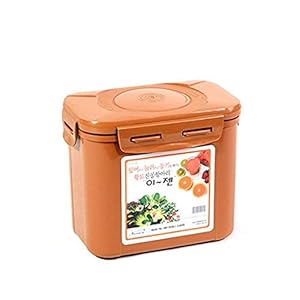
E-Jen ( 1.7l 1.7L, Earthenware Brown) - Premium Kimchi, Sauerkraut Container Probiotic Fermentation with Inner Vacuum Lid (Earthenware Brown, 1.7l1.7L)
Check price on Amazon →
Masontops Pickle Pebble Infinity Glass Fermentation Weights - Brining Weights Kit - Plain Mouth Mason Fermentation Jar
Check price on Amazon →We may earn a small commission, at no cost to you. We only list kit we'd use.
Written by
UK Homesteading Team
Editorial team
The UK Homesteading editorial team, offering UK-specific, evidence-led guidance on growing, keeping, preserving and the law.