Ask a gardener whether their own veg beats the supermarket's and you'll get a knowing smile. Ask for the evidence and things get more interesting, because the usual answer, "it's more nutritious", turns out to be the weakest part of the case. The honest picture is better than the myth: home-grown really is worth it, just for a stack of solid, specific reasons rather than the vague one everyone repeats. And the case for building good soil stands up whatever it does to any single vitamin. Here's the straight version.
The freshness clock: the strongest reason of all
This is the advantage that's easiest to measure and hardest to argue with. The moment a vegetable is picked, its vitamins start to fade, and some fade fast. Peas can lose around half their vitamin C within a day or two of harvest. Spinach and salad leaves shed a large share of their vitamin C over a few days in the fridge, and spinach can lose about half its folate within a few days at room temperature.
Now think about the journey of "fresh" supermarket veg: harvested, chilled, transported, distributed, shelved, then a few days in your fridge. It's commonly one to two weeks from field to plate. Home-grown veg is eaten the same day, sometimes within the hour. The vitamin clock has barely started. That single fact, freshness, does more for the nutrition on your plate than any argument about soil.
You'll actually eat more of it
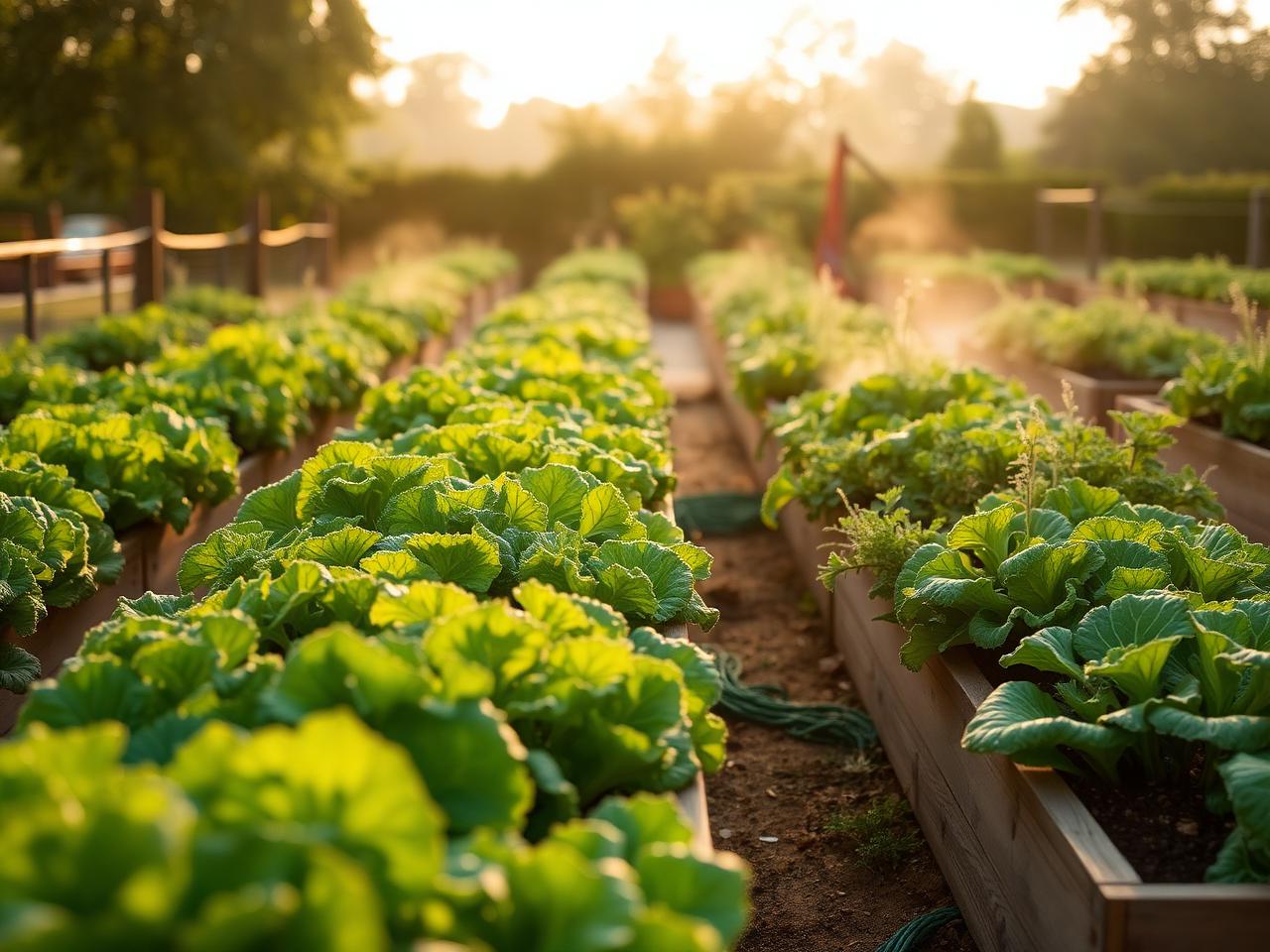
Here's the reason that probably matters most for your health, and it has nothing to do with nutrient content. People who grow vegetables eat more vegetables. In one randomised trial, community gardeners increased their vegetable intake by around two-thirds of a serving a day compared with non-gardeners, and having a garden to grow in makes people noticeably more likely to hit their five-a-day. (Most of this research is from outside the UK, but the effect is consistent.)
Since eating plenty of veg is one of the best-evidenced things you can do for your health, this behavioural nudge, a glut of courgettes that has to be eaten, a row of beans that keeps giving, quite likely outweighs any per-gram nutrient difference many times over. Growing your own quietly rearranges your whole diet in the right direction.
No spray, and you decide what goes on it
When you grow your own, you control exactly what does and doesn't touch your food, which for most home growers is nothing at all. Around 60% of non-organic UK fruit and veg carries detectable pesticide residues, and the two big scientific reviews of organic versus conventional food, which disagree about nutrition, both agree that not spraying means far fewer residues.
Keep it in proportion, though. UK supermarket produce stays within the legal residue limits and is safe to eat, so this is about avoiding residues entirely rather than a reason to fear shop-bought veg. If you want the full, honest picture of what's on supermarket produce and why "within limits" means less than it sounds, see our guide to what's really on supermarket fruit and veg.
Picked ripe, not gassed green
Much supermarket produce is picked before it's ripe so it survives the journey, then ripened in transit with ethylene gas. Vine-ripened and plant-ripened veg generally carries more of the good stuff: vine-ripened tomatoes, for instance, measure higher in lycopene and beta-carotene than those ripened off the plant. The home grower picks at the perfect moment, which is a genuine, if modest, edge. (It's not universal, some nutrients shift about as fruit ripens, so it's "generally richer in the key antioxidants", not "better in every way".)
The variety supermarkets won't sell you
Supermarkets choose varieties for yield, uniformity, shelf life and how well they survive shipping. Flavour and nutrition come further down the list. The home grower is under no such constraint, and can grow heritage and flavour-first varieties instead. That matters more than it sounds, because the variety is one of the biggest single influences on a vegetable's nutrient content: traditional tomato varieties, for example, have been measured with more vitamin C and lycopene than the commercial types bred for the road. Choosing the variety is a lever the supermarket shopper simply doesn't have.
What about "supermarket veg is nutritionally empty"?
You'll have seen the claim that modern vegetables contain a fraction of the minerals they did in your grandparents' day, because the soil is "dead". It's a powerful story. It's also mostly wrong, and being honest about it makes us more trustworthy, not less.
The starting point is real: studies comparing old and new food-composition tables, like Davis in 2004, do find lower levels of some minerals such as calcium and iron. But here's the part the scary version leaves out. Davis himself put the decline down mainly to changes in the varieties grown, not exhausted soil. And a thorough 2017 review by Marles concluded that comparing those old and new tables is unreliable anyway, because the varieties, the ripeness, the sampling and even the laboratory methods all changed over the decades, and that the idea decline is caused by soil mineral depletion is "unfounded".
Where a real decline exists, the best explanation is the dilution effect: modern varieties are bred to grow bigger and faster, which dilutes the mineral concentration per gram. That's a breeding story, not a dead-soil story. And notice where it lands: even the scientists who found a decline blamed the variety. Which is exactly why the things a home grower controls, choosing a good variety and eating it fresh, matter more than any tale about depleted earth. Supermarket veg is not "empty". It's nutritious and safe. It's just not the best version of itself.
The real reason to build living soil
So if the soil isn't "dead", why fuss over it? Because good soil is worth building on its own merits, and the honest figures are sobering enough without the myths. Soil degradation costs England and Wales around £1.2 billion a year, and intensive cultivation has stripped an estimated 40 to 60% of the organic carbon from our arable soils. That's a genuine problem, driven by heavy tillage, bare ground and monoculture.
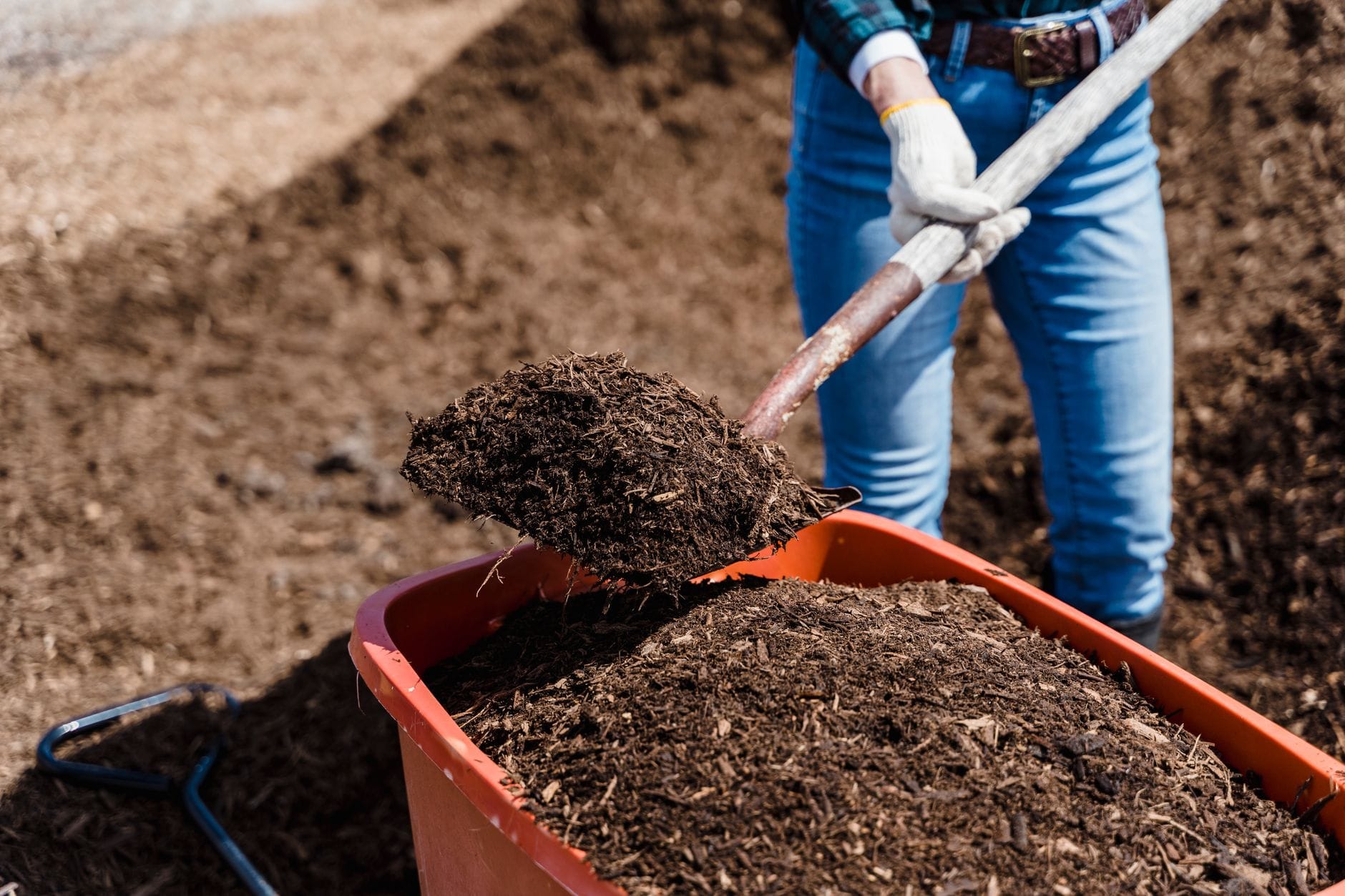
Living soil, rich in organic matter and biology, is the answer, and the mechanism is real: networks of mycorrhizal fungi extend a plant's reach for nutrients like phosphorus and zinc far beyond its own roots, while earthworms and organic matter build the structure that holds water and air. A no-dig bed fed with compost and kept covered is quietly doing all of this. One honest caveat: building up soil carbon is slow work in our climate, so treat it as a long game and a gift to the land, not an overnight fix. Our guides to no-dig on heavy British clay and mulching show where to start.
None of this makes the supermarket the villain. Eat shop-bought veg happily, and frozen without a second thought. But a courgette picked twenty minutes ago from soil you've fed yourself is a genuinely better thing, for reasons that hold up to scrutiny. That's the honest case, and it's more than enough.
This guide is general information, not dietary advice, and it is emphatically not a reason to eat less veg: the health benefits of eating plenty of vegetables, home-grown, shop-bought or frozen, are large and well established. Supermarket produce is nutritious and safe. The claims here about freshness, ripeness, varieties and soil are sourced above; where the science is mixed or contested (per-gram nutrient density, organic-versus-conventional nutrition) we have said so rather than overclaimed. Last checked July 2026.
Frequently asked questions
Sources
- State of the Environment: Soil (arable soil organic-carbon loss) , Environment Agency
- Do we only have 60 harvests left? (the claim examined) , Our World in Data, University of Oxford
- Mineral nutrient composition of vegetables, fruits and grains: the context of reports of apparent historical declines (Marles, 2017) , Journal of Food Composition and Analysis
- Changes in USDA food composition data for 43 garden crops, 1950 to 1999 (Davis et al., 2004) , Journal of the American College of Nutrition
- Higher antioxidant and lower cadmium and pesticide residues in organic crops: a meta-analysis (Baranski et al., 2014) , British Journal of Nutrition
- Community gardening increases vegetable intake and seasonal eating from baseline to harvest (Litt et al., 2023) , Current Developments in Nutrition (American Society for Nutrition)
Written by
UK Homesteading Team
Editorial team
The UK Homesteading editorial team, offering UK-specific, evidence-led guidance on growing, keeping, preserving and the law.