There is no shop-bought cube that beats a pan of your own stock, and this everyday version costs next to nothing, especially if you keep a scrap bag going in the freezer. The single rule that makes all the difference is heat: keep it at a gentle simmer rather than a hard boil, and you will get a clear, golden, sweet-tasting stock every time.
Homemade Vegetable Stock
Makes Makes about 1.5 litres
Prep
15 min
Cook
45 min
Total
1 hr
Makes
Makes about 1.5 litres
Ingredients
The base
The aromatics
Liquid and lift
Method
- 1
If you want a richer stock, heat the oil in a large pan over a medium heat and add the onion, carrot, celery, leek and mushrooms. Sweat them for 10 to 12 minutes until softening. For a lighter, clearer stock, skip this step and go straight to the cold water.
- 2
Add the halved garlic bulb, bay leaves, thyme, parsley stalks and peppercorns to the pan.
- 3
Pour in the cold water and the cider vinegar or lemon. The vinegar helps draw the flavour out and is not there for taste.
- 4
Bring the pan just up to the boil over a medium-high heat.
- 5
As soon as it boils, turn the heat right down to a gentle simmer and skim off any foam or scum that rises to the surface.
- 6
Simmer uncovered for 30 to 40 minutes, keeping it at a lazy simmer and never letting it boil hard.
- 7
Set a fine sieve over a large bowl (line it with muslin for a clearer stock) and pour the stock through. Press the vegetables gently with a spoon to squeeze out the last of the liquid, then discard them.
- 8
Cool the stock quickly, then use it straight away, refrigerate for 3 to 5 days, or freeze for up to 3 months. Do not salt it, season the finished dish instead.
Cook’s notes
- Leaving the onion skins on adds a warm golden colour and a touch of tannin, for a stock that looks as good as it tastes.
- A few dried mushrooms, a ripe tomato, or a small spoon of miso or soy stirred in near the end give a meatier, savoury depth without any meat.
- Freeze the stock in an ice-cube tray or muffin tin for ready-portioned blocks you can drop straight into a pan. Label everything with the date.
- Keep a stock bag in the freezer for carrot tops, leek greens, celery ends and parsley stalks. When it is full you have most of a stock ready from scraps that would otherwise be binned.
- Avoid brassicas (cabbage, broccoli, sprouts), beetroot and starchy potato or squash, as they turn stock bitter, muddy or gluey.
- For a richer 'brown' stock, roast the vegetables at 200°C fan (220°C conventional, gas 7) for 30 minutes before they go in the pan.
What you’ll need
- Large stockpot or deep saucepan, Big enough to hold the vegetables and 1.5 litres of water with room to spare
- Chopping board and knife
- Fine sieve, Line with muslin or a clean tea towel for an extra-clear stock
- Ladle or large spoon, For skimming and straining
- Storage tubs, or ice-cube trays and muffin tins for freezing
Troubleshooting
The stock tastes bitter
It was boiled too hard, or simmered for well over an hour. Next time keep it at a gentle simmer and stop at 40 to 45 minutes for vegetable stock.
The stock is cloudy
A rolling boil churned the fine solids back through the liquid. Simmer gently so the surface barely moves, and strain through muslin for the clearest result.
The flavour is weak and watery
There was too much water for the vegetables. Simmer it uncovered for longer to reduce and concentrate, or use a little more veg next time.
The colour is dull and muddy
Too many strong or dark vegetables crept in. Stick to onion, carrot, celery, leek and mushroom, and leave the onion skins on for warmth.
The stock feels slimy or thick
Starchy vegetables got into the pot. Leave out potato and squash entirely, as their starch thickens and clouds the liquid.
More about making stock at home
Stock versus broth. People use the words loosely, but there is a real difference. Stock is the liquid you simmer out of vegetables or bones and usually leave unseasoned, because it is a building block for other dishes. Broth tends to be seasoned and often drunk on its own. What you are making here is a versatile, unsalted stock.
Why start in cold water. Adding your vegetables to cold water and bringing everything up together draws the flavour out gradually. It also lets any scum rise slowly to the surface where you can lift it off, which is part of what gives you a clean, clear result rather than a murky one.
Why a gentle simmer, not a boil. This is the point most people get wrong. A hard, rolling boil churns the fine solids and any fat back through the liquid, so instead of settling out they stay suspended. That is what makes a stock turn cloudy, and boiling too long also pulls bitter notes out of the vegetables. A lazy simmer, with just the odd bubble breaking the surface, keeps everything gentle.
What the aromatics are doing. Bay, thyme, parsley stalks and peppercorns build a quiet background flavour that you notice more when it is missing than when it is there. Onion and garlic bring the savoury depth. You are not after any single strong taste, you are after a rounded, balanced base.
Vegetables to favour and avoid. Onion, carrot, celery, leek and mushroom are the dependable core. Avoid brassicas such as cabbage, broccoli and sprouts, plus beetroot, because they turn stock bitter and muddy. Leave out potato and squash too, as their starch clouds the liquid and can make it slightly gluey.
Umami without meat. If you want a fuller, meatier savouriness in a vegetable stock, reach for dried mushrooms, a ripe tomato or two, a scrap of seaweed, or a small spoon of miso or soy stirred in near the end. These add depth without changing the character of the stock.
The zero-waste angle. Keep a freezer bag on the go and drop in carrot tops, leek greens, celery ends, onion trimmings and parsley stalks as you cook through the week. When the bag is full you have most of a stock already, made from offcuts that would otherwise have gone in the bin.
Food safety and storage. Cool your stock as quickly as you can, ideally by standing the pan in a sink of cold water, then refrigerate it within a couple of hours. Use it within 3 to 5 days, or freeze for up to 3 months. Freezing in portions, whether ice-cube trays, muffin tins or small tubs, means you can take out just what a recipe needs. Always label with the date.
Roasting for a "brown" stock. For a deeper, richer stock, roast the vegetables (or bones, for the meat version) at 200°C fan (220°C conventional, gas 7) until browned before they go in the pan. Caramelising the surfaces first gives you a darker colour and a rounder, more roasted flavour.
The chicken or bone stock variation
The method is the same, but the timings change because bones need far longer to give up their goodness. Swap the vegetable base for around 1kg of raw chicken wings or a leftover roast carcass, and keep all the same aromatics: onion, carrot, celery, leek, garlic, bay, thyme, parsley stalks and peppercorns. Cover with about 2 litres of cold water, bring to the boil, skim off the scum, then drop to a very gentle simmer for 3 hours (a lighter stock from a leftover carcass is fine after about 1 hour in 1.2 litres of water). For a deeper flavour, roast raw bones at 200°C fan (220°C conventional, gas 7) for about 20 minutes first. The long, low simmer is what draws gelatine out of the bones, giving chicken stock its body and that lovely set-when-cold texture. Keep it in the fridge for up to a week or freeze for up to 3 months. Skim any set fat off the top once it is cold.
Frequently asked questions
Kit for this job (Ad)

Shapton Ha No Kuromaku Ceramic Whetstone Medium Grit #1000
Check price on Amazon →
Joseph Joseph Nest 9 Plus, 9 Piece Compact Stainless Steel Food Preparation Set with Mixing Bowls, Measuring Cups, Sieve and Colander, Multicolour
Check price on Amazon →
Matsato Chef Knife for Kitchen 5.8 in Japanese Stainless Steel, Professional Ultra Sharp Chopping & Cutting Knife, Ergonomic Wood Handle | Blade 15 cm, oak handle stainless steel, for meat, vegetables & herbs, made of Japanese steel, hand clean
Check price on Amazon →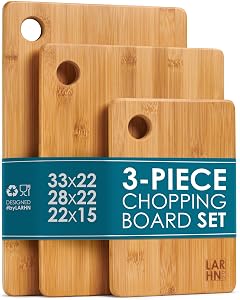
Premium Extra-Thick Wooden Chopping Boards - 3 Piece Bamboo Chopping Board Set - 33x22cm / 28x22cm / 22x15cm - Ideal for Carving Meat, Cutting Vegetables, Cheeses and Bread - by LARHN
Check price on Amazon →We may earn a small commission, at no cost to you. We only list kit we'd use.
Written by
UK Homesteading Team
Editorial team
The UK Homesteading editorial team, offering UK-specific, evidence-led guidance on growing, keeping, preserving and the law.