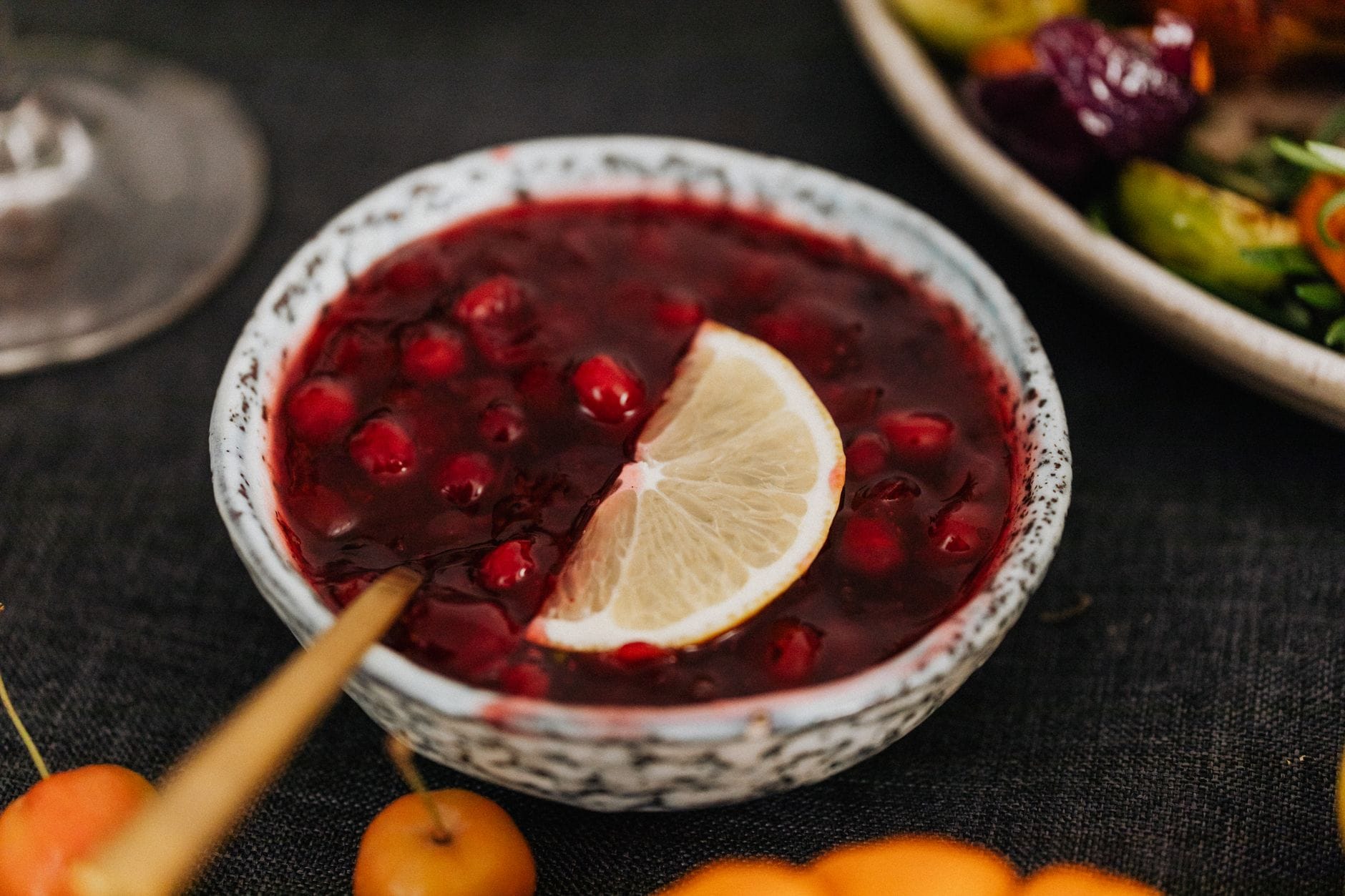
Homemade mincemeat is one of the nicest bits of Christmas cooking, and this one is completely alcohol-free: orange and apple juice stand in for the spirits, added at the start so the fruit drinks them in. With dark muscovado, plenty of citrus and a good hit of spice, it is every bit as rich and festive.
One thing to be clear on about keeping. Without the alcohol there is no long-life preservative, so this is a make-it-close-to-Christmas mincemeat, not a make-it-in-October one. Keep it in the fridge or freezer and use it up over the season.
How to Make Alcohol-Free Mincemeat: A UK Christmas Recipe
Makes About 1kg to 1.4kg, roughly 3 to 4 standard jars. Best made within a few weeks of Christmas
Makes
About 1kg to 1.4kg, roughly 3 to 4 standard jars. Best made within a few weeks of Christmas
Ingredients
The fruit and base
The flavour
Method
- 1
Tip the dried vine fruit, grated apple, suet and muscovado sugar into a large bowl.
- 2
Add the orange and lemon zest and juice, the spices, and the 100 to 125ml of orange or apple juice that stands in for the alcohol. Stir everything together well.
- 3
Cover the bowl and leave it to macerate somewhere cool overnight, so the fruit swells and soaks up the juices.
- 4
The next day, heat the oven to 120°C (100°C fan, gas mark half). Spoon the mixture into an ovenproof dish and cover it with a lid or foil.
- 5
Cook low and slow for 2 to 3 hours. This melts the suet so it coats the fruit as it sets, which is what gives the mincemeat its glossy richness.
- 6
Take it out and stir it now and then as it cools, so the fat coats the fruit evenly rather than settling on top.
- 7
Once completely cold, spoon it into cold sterilised jars, seal, label with the date, and keep it in the fridge.
Cook’s notes
- Timings: about 20 minutes to mix, an overnight soak, then 2 to 3 hours in a low oven, plus cooling.
- Keeping, plainly: with no alcohol there is no long-life preservative. Sealed in a sterilised jar it keeps about two to four weeks in the fridge, or three months in the freezer. Make it close to Christmas, not months ahead.
- A quicker version: instead of the oven, simmer everything gently on the hob for 10 to 30 minutes. It is fresher and lovely, but keeps for less time, so use it within a couple of weeks.
- Building the flavour without alcohol: lean on plenty of orange and lemon zest, dark muscovado, a generous hand with the spice, and a spoonful of redcurrant jelly if you have it. A splash of extra juice when you use it lifts it again.
- Make it vegetarian with vegetable suet, or use butter for a richer finish. Both coat the fruit as the mixture cools.
- Freeze in usable amounts. Portion it into small tubs or bags so you can defrost just what you need for a batch of mince pies.
What you’ll need
- Large mixing bowl
- Grater, for the apple and the citrus zest
- Ovenproof dish with a lid or foil, for the low-oven method
- Sterilised jars with lids
Troubleshooting
The mincemeat is dry or stiff.
It needs more moisture. Stir through a little more orange or apple juice until it is glossy and spoonable, especially after it has been in the fridge a few days.
It tastes flat without the alcohol.
Reach for more zest and spice, not more sugar. A good grating of orange and lemon zest, an extra pinch of mixed spice, and a spoon of redcurrant jelly bring it right up.
The fat has set in a layer on top.
It wasn't stirred as it cooled. Warm the jar gently to soften it and stir it back through, then let it cool again, stirring now and then.
A jar has gone mouldy or smells off.
Throw it away. Without alcohol it spoils faster, so it must live in the fridge or freezer and be used within the short window. Never leave it in a warm cupboard.
It's too sweet.
Add a squeeze more lemon juice and a little extra zest to sharpen it. The citrus balances the muscovado and keeps it from being cloying.
More about alcohol-free mincemeat
Why traditional mincemeat keeps and this one doesn't. Classic mincemeat was loaded with alcohol, and the alcohol acted as a preservative, letting jars sit in the larder for months and even improve with age. Take the alcohol out and you take out the preservative, so an alcohol-free mincemeat is a fresher, shorter-life preserve. That is not a flaw, it just changes how you handle it: make it near Christmas and keep it cold.
The meaty history behind the suet. Mincemeat began as a way to preserve real minced meat with sugar, dried fruit, spices and alcohol. Over the centuries the meat dropped away, but the suet stayed behind as its legacy, and it still gives the mixture its richness. We swap in vegetable suet or butter so it works for everyone, meat-eater or not.
Replacing the alcohol with juice. Orange and apple juice, added at the very start, take the place of the spirits and give the fruit something to drink up as it macerates. They bring moisture and a bright, fruity note. Strong cold tea is another traditional stand-in, adding a gentle tannic depth without any alcohol.
The two methods. The low-oven method melts the suet so it coats each piece of fruit, setting into a glossy, well-kept mincemeat that lasts a little longer. The quick hob method skips the oven for a fresher, softer result that is best eaten within a couple of weeks. Both are good, so pick the one that suits your time and how soon you'll use it.
Using it up. Beyond mince pies, alcohol-free mincemeat is lovely swirled through a bread-and-butter pudding, spooned into baked apples, folded into a crumble topping, or stirred into porridge. Because it doesn't keep for long, having a few ways to use it means none goes to waste.
Keeping it safe: how storage really works
It is worth being plain about this, because a lot of recipes aren't. Traditional mincemeat keeps for months only because of the alcohol in it. This version has none, so it must be treated like any other fresh, fridge preserve. Sealed in a properly sterilised jar it keeps for around two to four weeks in the fridge, and about three months in the freezer. That means you make it in the weeks before Christmas, not back in autumn, and you keep it cold from the moment it cools, never in a warm cupboard. If a jar ever smells sour, looks fizzy or shows any mould, throw it out. Handled this way it is completely safe and every bit as festive as the boozy kind.
Frequently asked questions
Kit for this job (Ad)

0.35 Litre Breakfast Jar Set with Stainless Steel Spoon and Measuring Lid Perfect for Overnight Oats, Yogurt, Smoothie Bowls, Granola, Chia Pudding
Check price on Amazon →
Clip Top Jar 2 Litre (2000ml) Airtight Glass Storage Jar for Preserving Fruits Vegetables Coffee Tea Rice Flour Nuts Pasta | Preserves fruits, vegetables, coffee, tea, rice, flour, pasta, and dry ingredients to prevent food spoilage and waste.
Check price on Amazon →We may earn a small commission, at no cost to you. We only list kit we'd use.
Written by
UK Homesteading Team
Editorial team
The UK Homesteading editorial team, offering UK-specific, evidence-led guidance on growing, keeping, preserving and the law.